
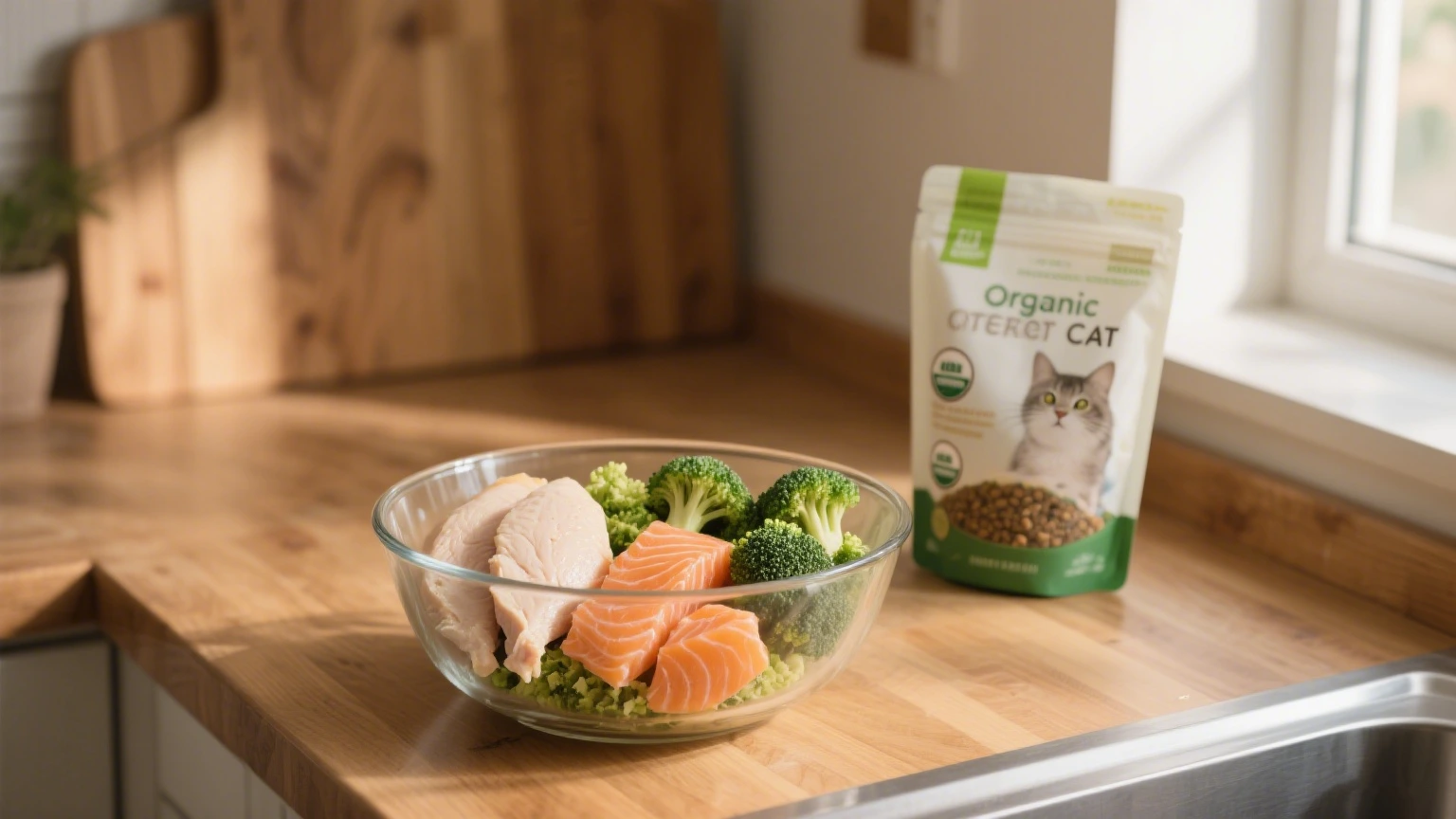
How to choose the best food for your cat: a practical guide for cat owners
In the United States, over 46 million households have cats, and “how to feed cats” is one of the most pressing concerns for many owners. From affordable dry food on supermarket shelves to “human-grade” wet food sold in high-end pet stores, and prescription diets recommended by veterinarians, the options available on the market are overwhelming. Complicating matters further, cats are strict carnivores, and their nutritional needs differ significantly from those of humans or even dogs—they require high protein, moderate fat, extremely low carbohydrates, and must obtain key nutrients (such as taurine and vitamin A) from animal sources. This article combines the U.S. pet food regulatory framework (AAFCO standards), veterinary recommendations, and real-world cat-owning scenarios to provide U.S. cat owners with a scientific, easy-to-follow guide to selecting the right food.
Step 1: Understand the label: Avoid marketing traps and focus on core information
The U.S. pet food industry has an annual output value of over $30 billion, and labels such as “natural,” “grain-free,” and “organic” in advertisements often lead consumers to mistakenly believe that the product is healthier. However, what truly determines the quality of cat food is not the promotional claims on the packaging, but the ingredient list and the guaranteed analysis.
- Prioritize “Complete and Balanced” Foods
According to the standards of the American Association of Feed Control Officials (AAFCO), all cat foods labeled as “complete and balanced” must meet the nutritional needs of cats at specific life stages (kittens, adult cats, senior cats). If a product has not been certified by AAFCO, there may be a risk of nutritional deficiencies. - Ingredient List Ordering Principle: Animal Protein Must Be Listed First
A cat’s digestive system is designed to break down animal tissue, not plant protein. Therefore, the first few ingredients in high-quality cat food should be named animal proteins (such as “chicken” or ‘salmon’), not vague terms like “meat by-products” or “grains.” For example:
High-quality example: Chicken, chicken meal, turkey meal, chicken fat, cassava starch
Cautionary example: Corn protein meal, wheat bran, soy protein isolate (excessively high plant protein content)
- Avoid harmful additives and allergens
Veterinarians in the United States often remind owners to be cautious of the following ingredients:
Artificial preservatives: BHA, BHT, ethylenediamine (potentially carcinogenic)
Artificial colors: such as caramel color (used solely to enhance appearance, with no nutritional value)
Common allergens: corn, wheat, soy (may cause skin or digestive issues in some cats)
Case study: California cat owner Lisa chose a dry food labeled “natural and grain-free” for her cat, but the ingredient list showed “pea protein” (plant protein) as the third ingredient, leading to chronic soft stools in the cat. After switching to a high-protein diet primarily composed of chicken and turkey, the symptoms improved significantly.
Step 2: Wet food vs. dry food: Choose based on your cat’s needs
Cat owners in the US often face the debate between “wet food advocates” and “dry food advocates.” In fact, both types of food have their pros and cons, and the key is to use them in combination based on your cat’s age, health condition, and lifestyle.
Advantages of wet food (canned/pouch)
High moisture content (70%-80%): Helps prevent common feline diseases such as Feline Lower Urinary Tract Disease (FLUTD), especially suitable for cats that don’t drink much water (e.g., Ragdolls, Persians).
Low carbohydrate content: More aligned with a cat’s natural diet structure (wild prey contains approximately 3%-5% carbohydrates).
Excellent palatability: The rich meat aroma and soft texture are suitable for kittens, senior cats, or cats with dental issues.
Advantages of dry food (kibble)
Cost-effective: Dry food is typically 30%-50% cheaper than wet food per unit weight.
Convenient storage: No refrigeration required, suitable for multi-cat households or busy owners.
Teeth cleaning: Some dry food pellets are designed to reduce plaque (though effectiveness is limited, regular brushing is still necessary).
How to combine?
Healthy adult cats: Adopt a “wet food as the main diet + dry food as a supplement” approach, such as feeding wet food in the morning and evening, and providing a small amount of dry food for free access during the day.
Cats with special needs:
Obese cats: Choose high-protein, low-carbohydrate dry food (such as “weight-loss formula”) to control calorie intake.
Diabetic cats: Veterinarians often recommend high-protein, extremely low-carb wet food (such as “prescription food”) to stabilize blood sugar.
Cats with kidney disease: Low-phosphorus, low-protein wet food (such as “kidney support formulas”) is needed to reduce kidney strain.
Data support: A study published in the Journal of Veterinary Internal Medicine found that cats fed exclusively dry food long-term have a 2.3 times higher risk of developing lower urinary tract stones compared to cats fed wet food.
Step 3: Balancing special needs and budget: Making rational choices from budget to premium options
Cat food prices in the US vary widely—from budget supermarket options at $0.50 per pound to “freeze-dried raw meat” or “slow-cooked” options costing over $5 per pound. Owners must find a balance between quality and budget.
- Tips for Selecting Affordable Food (USD 0.5–1.5 per pound)
Choose basic products from major brands: such as Purina Cat Chow, Iams, and Friskies. These brands are typically AAFCO-certified and have standardized production processes.
Watch for promotions: Platforms like PetSmart and Chewy often offer “buy one, get one free” deals or subscription discounts, which can reduce long-term costs.
Avoid “low-price traps”: If a particular food is significantly cheaper than similar products, carefully check the ingredient list—it may contain a high amount of fillers (such as corn or wheat) or low-quality protein.
- Cost-effective options for mid-to-high-end foods (US$1.5–3 per pound)
“Natural food” series: Brands like Blue Buffalo and Wellness Core have more transparent ingredient lists and typically do not contain artificial additives.
“Limited ingredient” food: Suitable for cats with allergies, such as those containing a single animal protein (duck, rabbit) and minimal carbohydrates (e.g., sweet potato).
“Freeze-dried coated” dry food: ordinary dry food coated with freeze-dried meat bits to enhance palatability (e.g., Instinct Original).
- High-end food (over $3 per pound) and its suitable scenarios
Raw meat/freeze-dried food: such as Stella & Chewy’s and Primal, which retain the maximum amount of nutrients but require owners to have scientific feeding knowledge (e.g., supplementing taurine and calcium-phosphorus ratio).
Low-temperature slow-cooked food: Examples include Open Farm and Smalls. These foods are cooked at low temperatures to minimize nutrient loss and are suitable for cats with sensitive stomachs.
Customized fresh food: Some companies (e.g., Nom Nom) offer customized fresh food delivery services tailored to a cat’s age, weight, and health condition, but monthly fees may exceed $100.
Budget example: New York cat owner Mark chose a combination of “mid-to-high-end wet food + affordable dry food” for his two adult cats:
Wet food: Wellness Core Chicken Canned Food ($1.2 per can, 2 cans per day)
Dry food: Purina ONE Chicken Dry Food ($0.8 per pound, free-feeding)
Monthly total cost: Approximately $60 (far below the $150+ cost of feeding exclusively high-end food).
Step 4: Transition and Monitoring: Ensure the cat adapts to the new food
Even if you have selected the “ideal cat food,” sudden changes in diet may cause vomiting, diarrhea, or refusal to eat. American veterinarians recommend a 7-day gradual transition method:
Days 1–2: 25% new food + 75% old food
Days 3–4: 50% new food + 50% old food
Days 5–6: 75% new food + 25% old food
Day 7: 100% new food
Long-term monitoring indicators:
Weight: Weigh monthly; obese cats should ensure weight loss is gradual (no more than 2% weight loss per month).
Coat quality: A healthy cat’s coat should be smooth and shiny. If it becomes dry or starts shedding, it may be due to insufficient Omega-3/6 fatty acids in the diet.
Fecal consistency: Ideal feces should be formed, moist but not sticky, resembling a “sausage.” If there is persistent soft stool or constipation, adjust the diet.
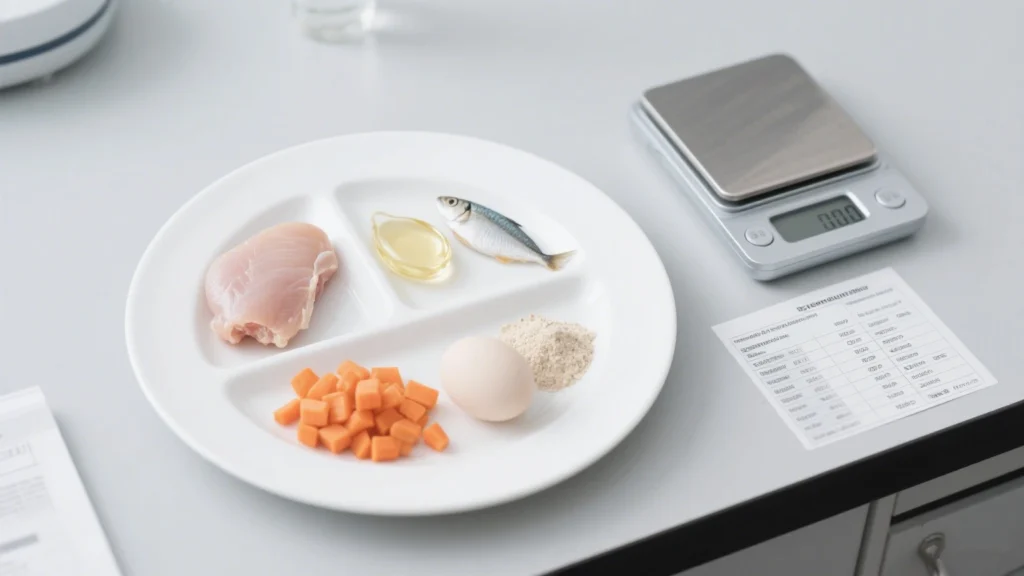
When should you consult a veterinarian?
The cat refuses to eat for more than 24 hours (which may lead to fatty liver disease)
Frequent vomiting or diarrhea (which may indicate food allergies or infections)
Sudden weight loss or persistent weight gain (which may indicate diabetes, hyperthyroidism, or other diseases)
Conclusion: There is no “perfect cat food,” only the “best choice”
In the United States, choosing cat food is not just about nutrition; it also involves budget, lifestyle, and individual cat preferences. A California veterinarian once summarized: “The best cat food is one that the cat is willing to eat, helps maintain a healthy weight, and the owner can afford long-term.” Whether it’s supermarket budget food or custom fresh meals, the key is to follow the cat’s biological needs—high animal protein, moderate fat, and extremely low carbohydrates. Starting today, use a scientific approach to select food for your cat, making every bite a healthy investment!