How to keep indoor cats happy: A scientific guide for cat owners
In the United States, over 60% of cat-owning households keep their cats indoors for extended periods. While indoor cats are safer and live longer, they are prone to boredom and anxiety due to a monotonous environment. Through scientific care, cats can be made to feel at ease staying indoors, with the key lying in four areas.
Environmental enrichment: Simulating outdoor stimuli
Cat behaviorist Jackson Galaxie believes that indoor cats’ boredom stems from sensory deprivation, necessitating the provision of “five-sense stimulation.”
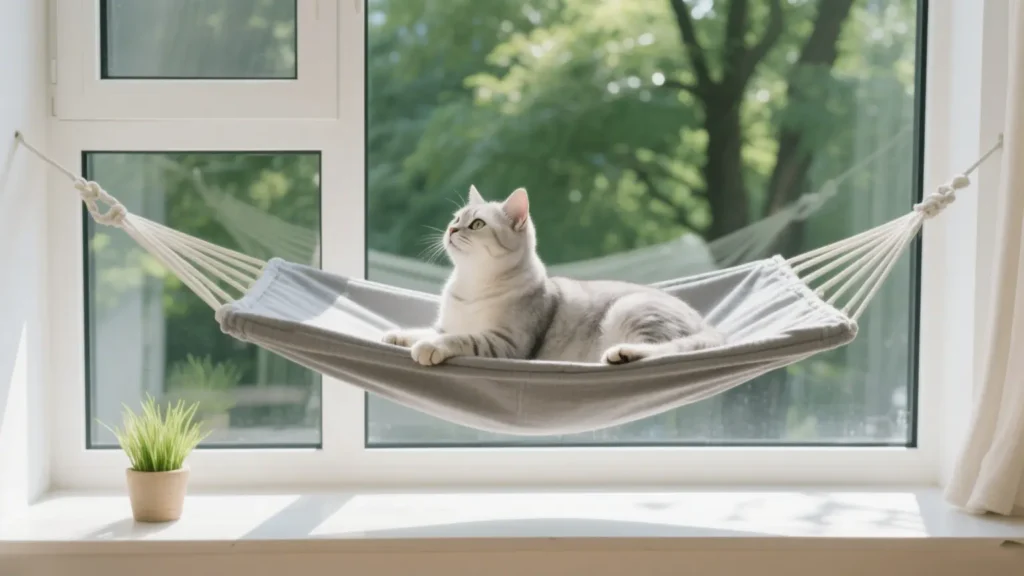
Visually, placing a cat hammock or climbing frame near a window, paired with a bird feeder for cats to observe birds; a “cat TV” displaying images of fish or insects can also capture attention; if feasible, set up a small covered fish tank.
Auditory: White noise like rain or flowing water, along with classical music like Mozart, can soothe emotions; interactive sound toys that mimic the sounds of prey escaping can stimulate hunting instincts.
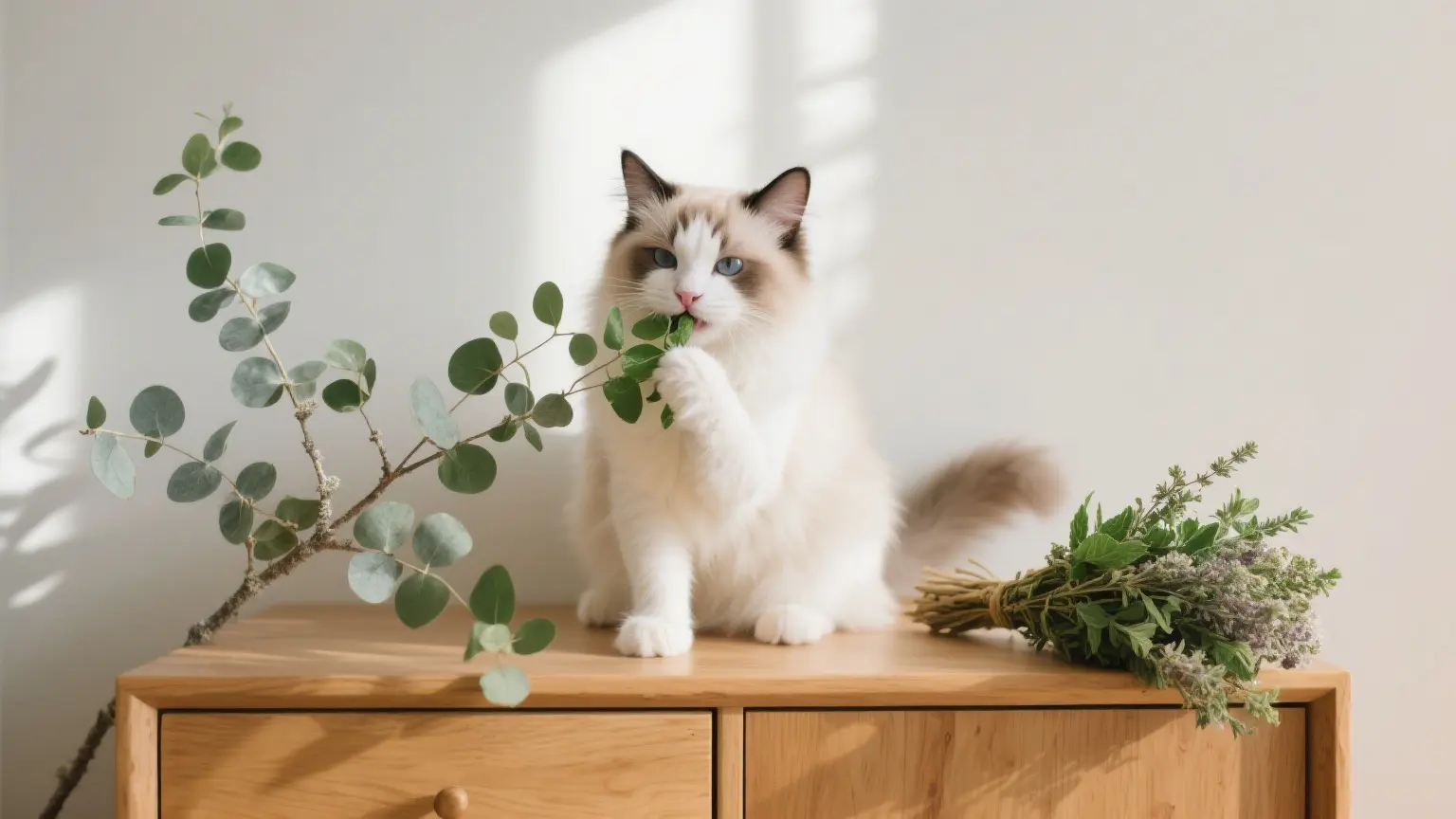
Olfactory: Catnip or silver vine toys can excite cats; pheromone sprays can alleviate anxiety; growing cat grass or wheatgrass can satisfy olfactory needs while also aiding in hairball expulsion.
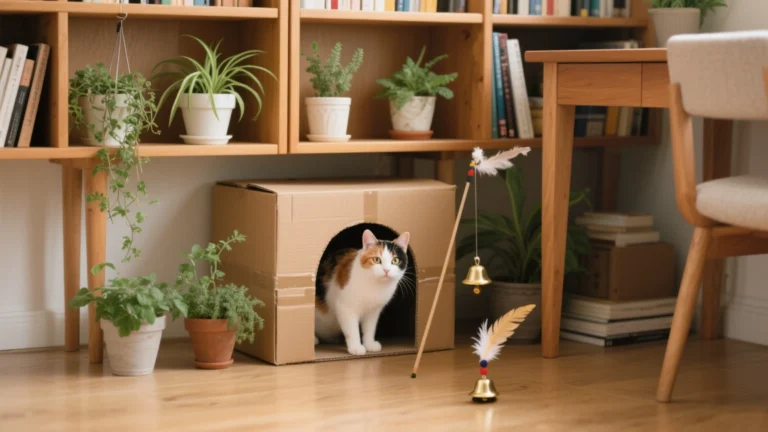
For tactile and gustatory stimulation, provide cat scratching boards made of different materials such as sisal or corrugated cardboard; treat-dispensing toys and snacks hidden in corners can increase the fun of eating and the desire to explore.
Interactive games: Building emotional bonds
The American Society for the Prevention of Cruelty to Animals (ASPCA) notes that cats lacking interaction may seek attention through destructive behavior or become depressed, so daily interactive games are essential.
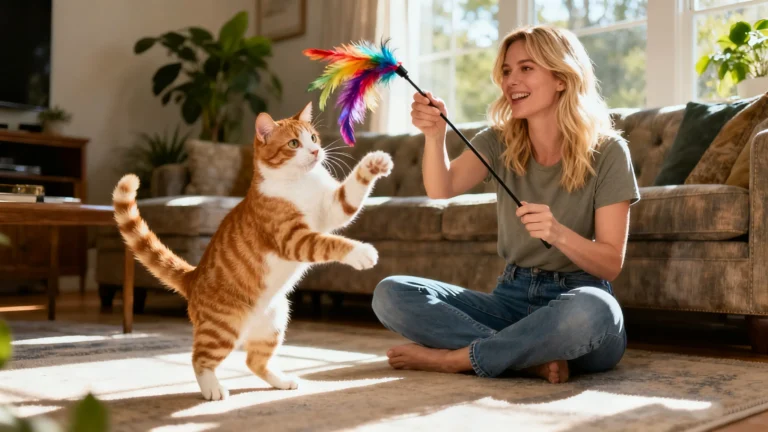
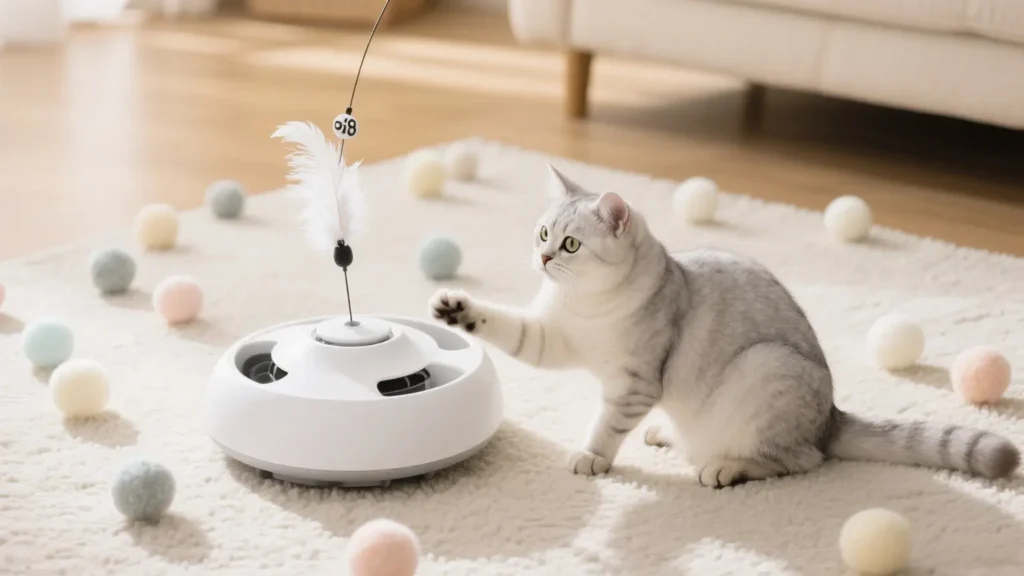
Game types vary: feather wands mimic bird flight to attract pouncing; laser pointers guide chasing, but must end with a physical toy to prevent frustration; electric toys are suitable for use when the owner is busy, but supervision is required.
Different age groups have different needs: kittens require 3-4 sessions daily, each lasting 5-10 minutes; adult cats need 1-2 sessions daily, each lasting 10-15 minutes; and elderly cats are suited to short, low-intensity play sessions. Note: Do not tease cats with your hands, do not forcefully wake sleeping cats, and do not shine light toys directly into their eyes. Studies show that daily interaction of 15 minutes or more reduces cats’ stress hormones by 40% and decreases aggressive behavior.
Health management: Balance diet, exercise, and prevention
Indoor cats have limited activity levels and are prone to obesity, urinary tract, and dental diseases, so proper health management is essential.
Diet: Feed at regular times and in fixed quantities, with a focus on wet food (to prevent urinary tract diseases); avoid high-carbohydrate foods, and choose cat food with protein ≥30% and carbohydrates ≤10%.
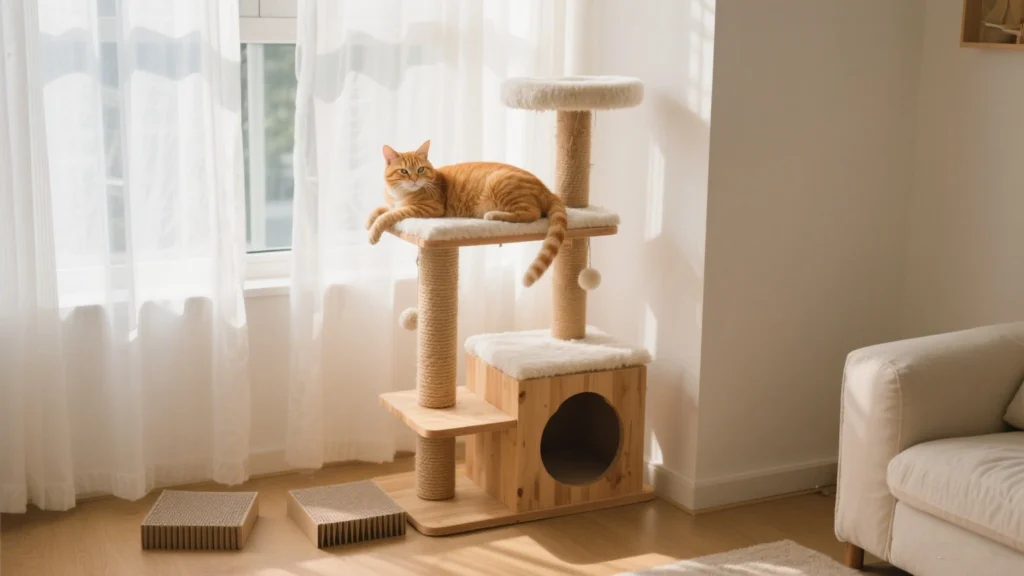
Exercise: Install cat trees, window ledge hammocks, etc., to create vertical space; use “hunting-style” feeding, scattering food in corners to increase activity levels.
For medical prevention, conduct an annual comprehensive physical examination (including blood, urine, and dental checks); vaccinate against feline distemper and rabies, and deworm every three months.
Emotional Bonding: Earning Your Cat’s Trust
A cat’s trust stems from daily interactions, such as rubbing heads, kneading, and slow blinking.
Earning trust requires respecting their pace, allowing the cat to approach voluntarily, and avoiding forced hugs; slow blinking conveys trust, provide soft pads or heated mats as “safe bases”; communicate with a gentle voice, and use catnip to guide correct behavior when they make mistakes, rather than punishment.
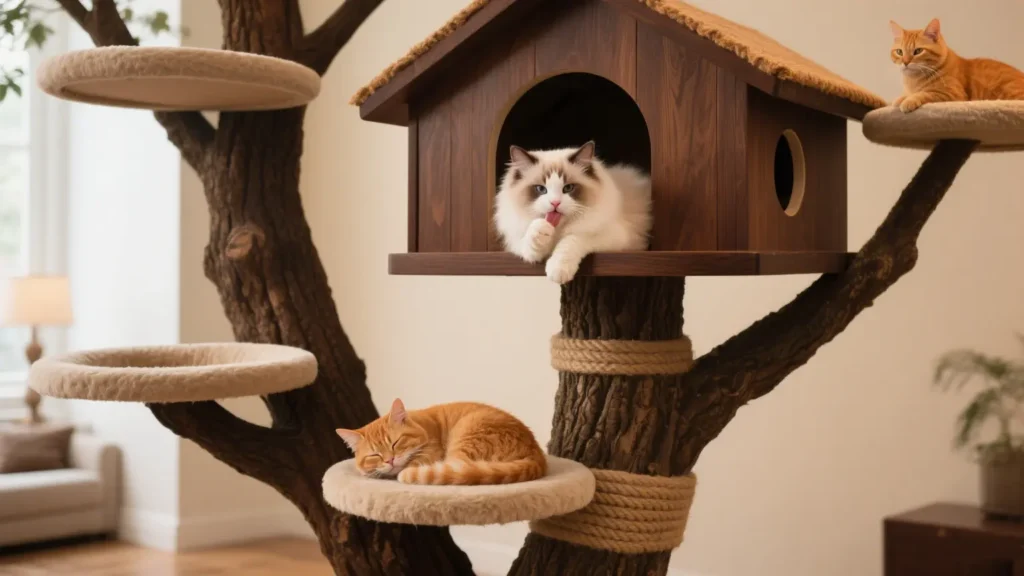
In multi-cat households, provide N+1 litter boxes, food bowls, and water bowls to avoid resource competition; Use cat trees to create layered spaces and allow them to become familiar with each other through scent exchange. Studies show that cats frequently slow-blinked by their owners are more likely to approach voluntarily and exhibit fewer aggressive behaviors.
Meeting a cat’s biological needs—from environmental to emotional details—affects their physical and mental health. Take action now to make your feline companion fall in love with “staying home” life.