
New Cat Owners – 7 Lifesaver Must-Knows
Cats are the ideal pets – essential tips for new cat owners
According to statistics, 67% of households keep pets, and cats are particularly favored by new cat owners due to their ease of care and suitability for apartment living. More importantly, research conducted by the U.S. Centers for Disease Control and Prevention has confirmed that owning a cat helps reduce stress and lowers the risk of heart disease by 40%. This is undoubtedly an added perk for new cat owners.
However, due to a lack of familiarity with feline habits, many new cat owners often overlook the special needs of cats, leading to frequent issues. Therefore, new cat owners should keep in mind: whether you live in an apartment or in the suburbs, these seven tips are specifically designed for new cat owners to make your pet-owning journey smoother and more enjoyable.

Cat Litter Box Rules for New Cat Owners
1.“N+1 Principle”: New cat owners should follow the rule of one litter box per cat, plus one extra, placed in a quiet area (away from noise sources like washing machines).
2.Cat Litter Selection: .Prioritize unscented clumping litter (such as Tidy Cats) to avoid irritating a cat’s sensitive sense of smell.
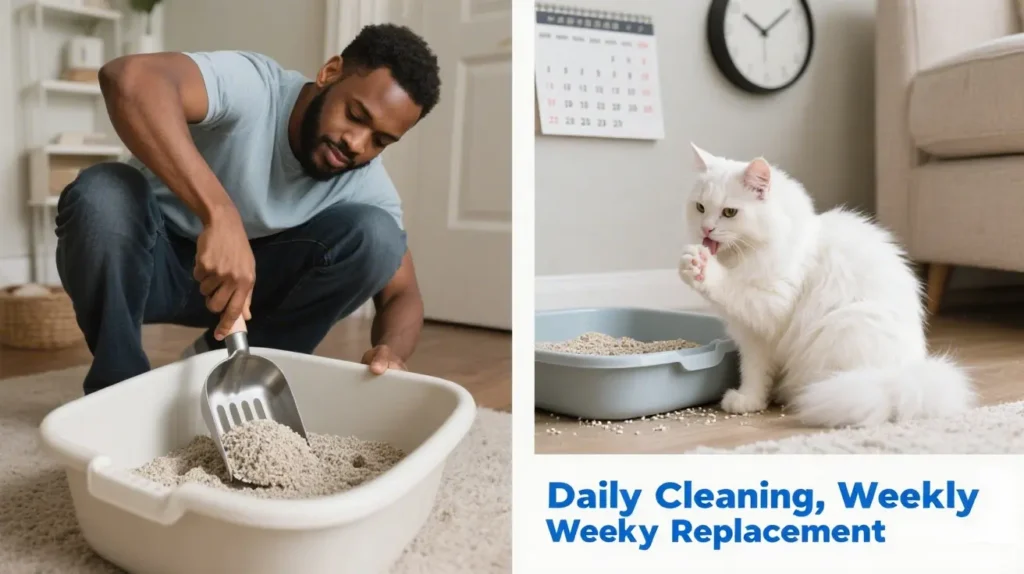
3.Cleaning Frequency: New cat owners should remove feces daily, and clean the litter box with a mild detergent (avoid ammonia-based cleaners).
Case Study: A new cat owner in Chicago switched from scented litter to unscented litter and added an extra litter box, resolving the cat’s urination issues within 48 hours.
Diet and Hydration Guidelines for New Cat Owners
- Over 60% of cats are overweight, primarily due to free access to dry food and insufficient water intake. New cat owners should note:
Prioritize wet food: Wet food should account for at least 50% of the diet (e.g., Zhen Zhi, with a moisture content of 70%-80%), aligning with cats’ desert origins and hydration needs. - Control portion sizes: A 10-pound (approximately 4.5 kilograms) cat requires 200-250 calories per day (approximately half a can of wet food + 1/4 cup of dry food). Use a measuring cup to avoid overfeeding.
- Encourage water intake: New Cat Owners Use a circulating water dispenser or add tuna juice to the water; keep the water bowl away from the litter box.
Success story: A new cat owner in Austin helped their cat lose 3 pounds (about 1.4 kilograms) in six months by implementing scheduled feeding and installing a water fountain.

Playtime and environmental enrichment for new cat owners
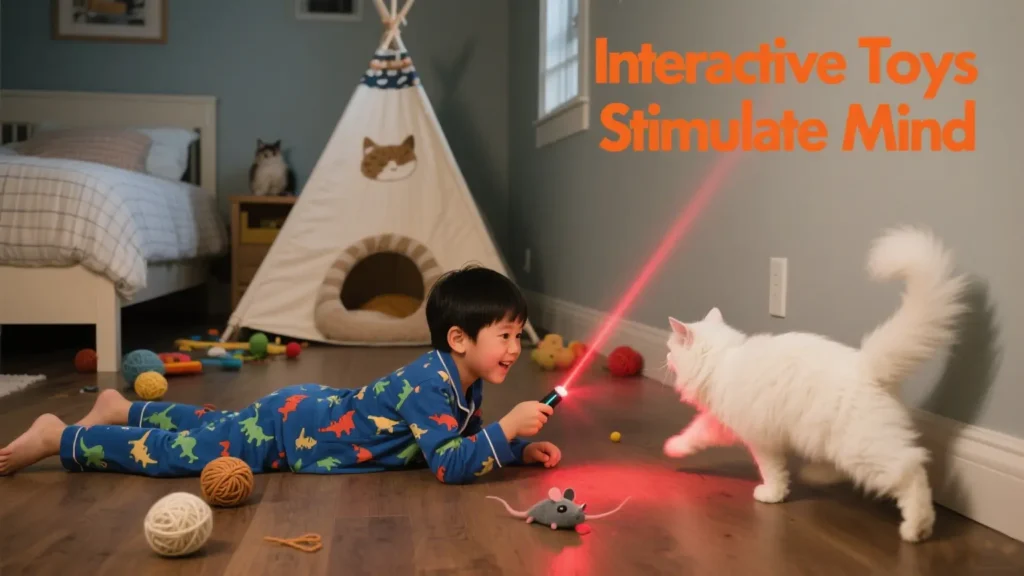
Boredom is the primary cause of destructive behavior in cats. New cat owners can do the following:
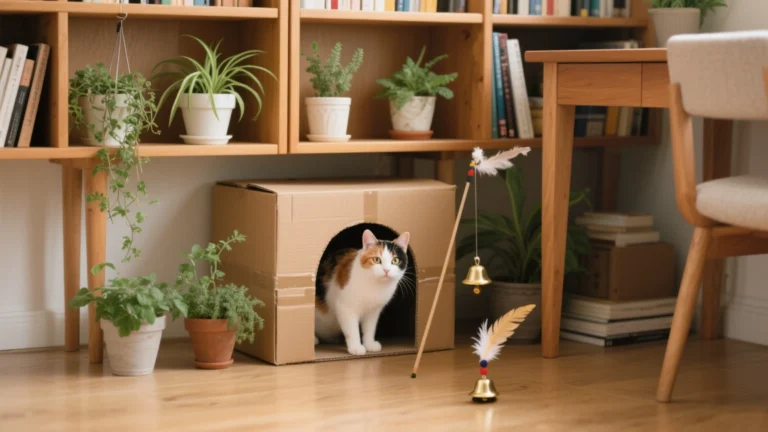
1.Daily interaction: Play with a cat teaser (such as the Da Bird feather wand) or laser pointer for 15 minutes daily, ending with a treat to avoid frustration.
2.Create vertical space:New Cat Owners Install a cat tree or window ledge shelf (such as the IKEA LACK wall shelf) to allow cats to “watch birds.”
3.Rotate toys: Keep 5–10 toys on hand and rotate them regularly. Use treat-dispensing balls (e.g., Kong treat balls) to simulate hunting.
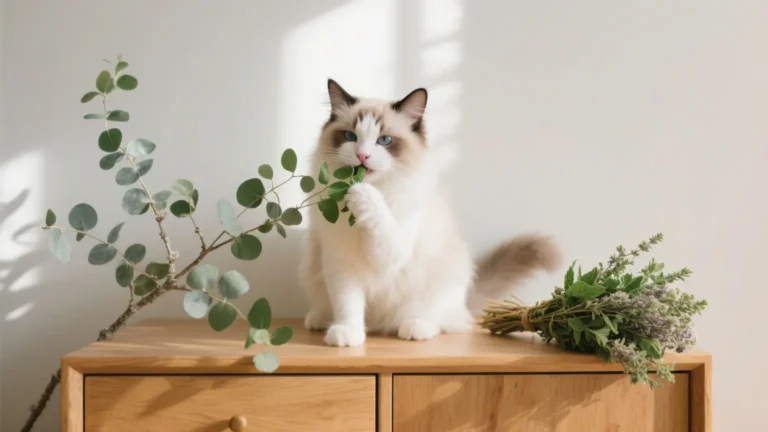
Tip: A new cat owner in Seattle placed a sisal column sprayed with catnip next to the sofa, successfully preventing the cat from scratching it.
Veterinary Care and Behavioral Interpretation for New Cat Owners
- Annual check-up: The American Veterinary Medical Association recommends annual check-ups for indoor cats. Prioritize clinics certified by the American Association of Feline Practitioners (AAFP) as “Fear-Free” to reduce stress for the cat.
- Vaccinations and Deworming: Core vaccines (rabies, FVRCP) are mandatory; non-core vaccines (such as FeLV) should be discussed with a veterinarian based on the cat’s living environment. Even indoor cats require monthly deworming (e.g., Frontline).
Warning Case: A new cat owner in Denver ignored deworming, leading to a flea infestation, which was resolved after switching to Ivermectin. - Interpreting behavioral signals:
Urinating or scratching may indicate dissatisfaction with the litter box or excessive stress;
Frequent grooming may indicate anxiety, which can be alleviated through interactive play or a food dispenser;
Slow blinking and head rubbing are signs of trust, which can be responded to with gentle petting.

New Cat Owner Pitfall Avoidance Guide: Health and Product Selection
- Cat litter: Avoid scented litter; choose clumping clay litter (e.g., Tidy Cats);
- Food: Avoid feeding only dry food long-term; choose high-protein wet food (e.g., Zhen Zhi);
- Toys: Avoid small parts (to prevent accidental ingestion); choose natural materials (e.g., sisal, hemp rope).

Welcome to the new cat owner community!
Cats may seem independent, but they need your careful care. From the litter box to playtime, every detail affects their happiness. Scientific cat care means fewer vet bills, more purring, and a deeper bond. A cat’s head rubs and slow blinks are their way of saying, “Thank you, my perfect new cat owner!”