Taking Cats to the Vet: 6 Unmissable Health Warning Signals You Can’t Ignore
After adopting two cats, I saw they hide pain well—never complaining when unwell. That’s why taking cats to the vet regularly counts: their subtle discomfort needs pro checks to catch issues early. Over 45M U.S. households, mine included, love cats as family; vet visits are key care. Yet AVMA data hurts: 70% miss optimal care, missing “endurance signals.” My senior orange cat once refused food (I thought picky) till trembling—only taking cats to the vet found mild urinary obstruction. From my error and a vet friend, here are 6 signs needing immediate taking cats to the vet—avoid my misstep.

Taking Cats to the Vet: First, Watch These Two “Lifesaving Signals” in Diet and Excretion
Your cat’s food bowl and litter box hold key clues for when to seek care. My vet friend says 42% of cats in their ER who refused food 12+ hours had pancreatitis or intestinal blockage. My neighbor’s British Shorthair, after 24+ hours without food, got fatty liver disease—thankfully, prompt taking cats to the vet and a week of IV fluids saved it.
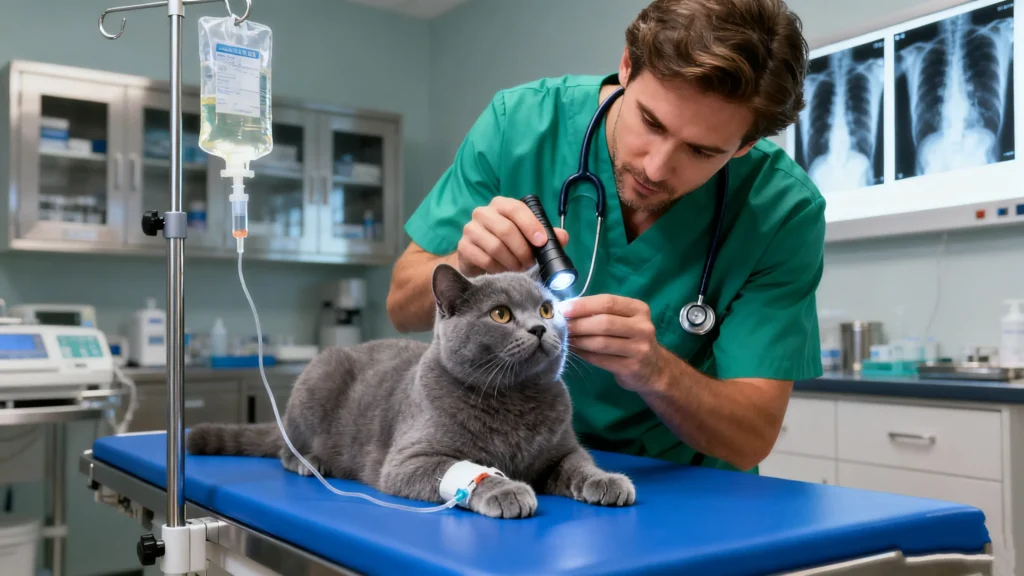
If your cat suddenly spurns once-loved freeze-dried treats, or has odd drinking: gulping 240ml daily (may mean diabetes) or barely touching water half a day (elderly cats need kidney checks)—don’t wait. Rush to taking cats to the vet at once.
Urinary issues matter too—1 in 10 U.S. indoor cats have them. I check litter daily: urine clumps smaller than golf balls, pale red (hematuria), straining for drops, or squatting near bathtubs—all red flags for immediate taking cats to the vet! My oldest cat had these signs; the vet said 2 more hours could’ve damaged her kidneys. Now I use a water fountain and never skip vet-recommended low-ash food—to spare her pain and cut taking cats to the vet trips.
Taking Cats to the Vet: Don’t Dismiss These “Over-the-top” Behaviors as “Moodiness”
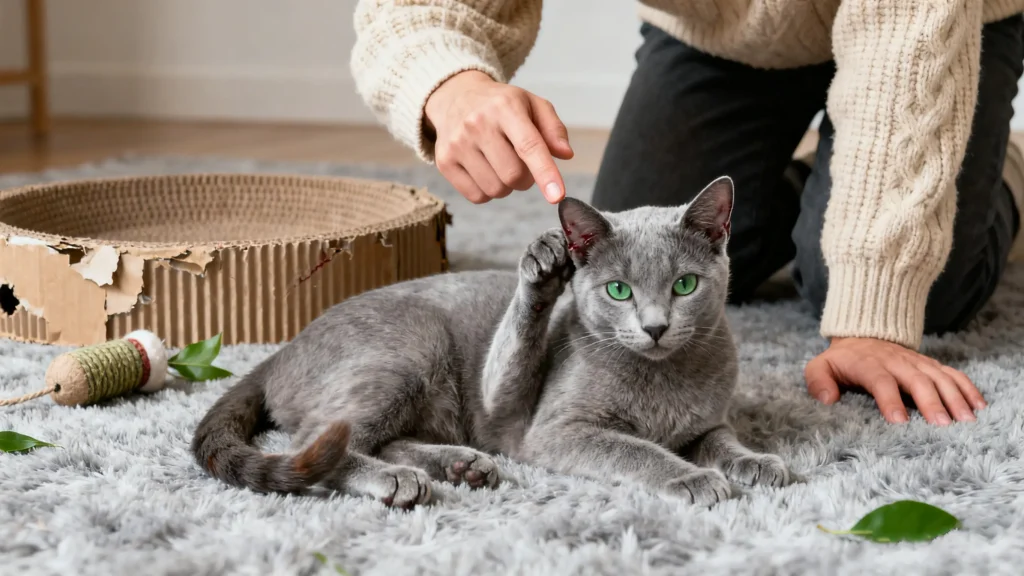
Cats can’t speak, but their “abnormal” behavior is a call for taking cats to the vet. I once cared for a stray calico: it hid under the sofa, stopped leaping onto the coffee table (only nudging low stools). I thought it was “shy” until it yelped licking its hind leg. The vet diagnosed arthritis—60% of cats with it act this way, but owners mistake it for “old age,” not pain.
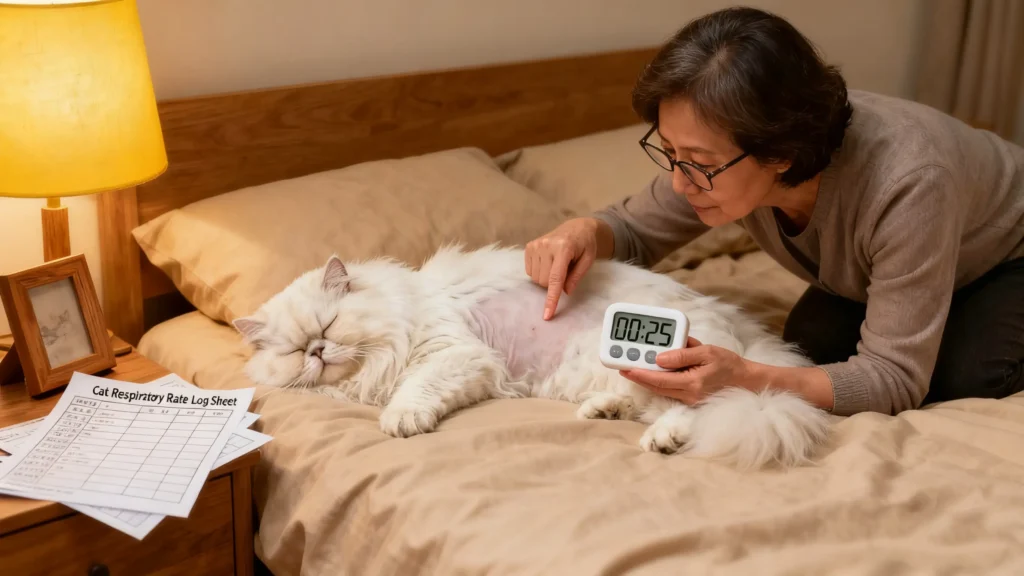
Watch breathing and energy closer! Healthy cats breathe 20-30 times/min. I count my senior cat’s chest rises while she sleeps. Over 40 breaths/min, panting with mouth open, or throat “hissing”? Grab her carrier for taking cats to the vet at once. Vets say 1-5% U.S. cats get asthma; Maine Coons/Ragdolls face heart disease—all need early vet checks.
Don’t say “cats are lazy.” If yours curls up 3 days straight, or ignores once-loved treats—take cats to the vet! My friend’s American Shorthair did this; they thought “lazy in heat,” but it was anemia—losing 2 weeks of treatment. Now I play 10 mins daily with a teaser wand. Slow reactions or no chasing? I note it; if 2+ days, book taking cats to the vet.
Taking Cats to the Vet: Don’t Ignore These “Minor Issues” in Appearance and Physique
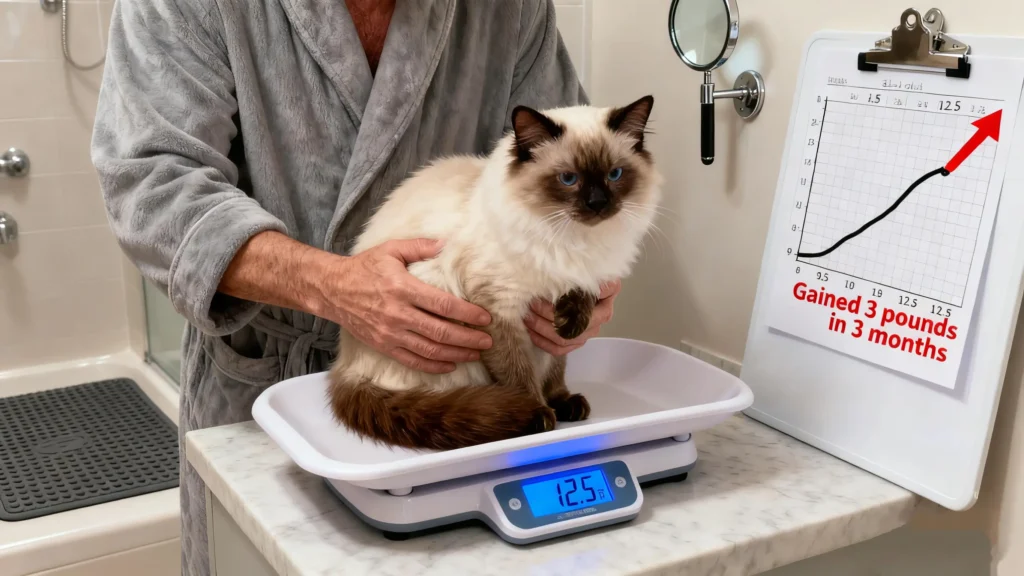
A cat’s coat, eyes, and weight are “warning lights” for taking cats to the vet. I use a baby scale to weigh mine monthly. Vets say 10%+ weight loss in 3 months may mean hyperthyroidism, diabetes, or cancer; sudden gain in seniors could signal thyroid issues—young cats too, so taking cats to the vet for checks is best. My colleague’s Siamese Ragdoll gained 3lbs in 3 months; only a vet visit found an endocrine disorder.
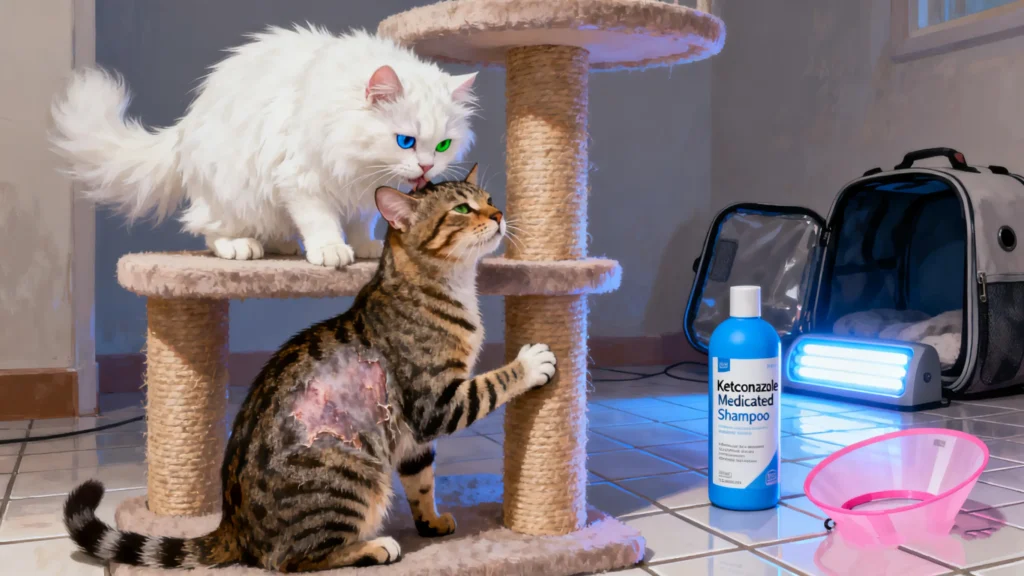
Fur and skin matter too. My second cat lost a small fur patch—I thought “play scratches,” but it grew. The vet diagnosed ringworm, which spread to my first cat. I regret it! Localized hair loss, excessive dandruff, red eyes, or constant tearing? Don’t just use ointment—they need a vet’s diagnosis. If your cat needs it, taking cats to the vet can’t wait.
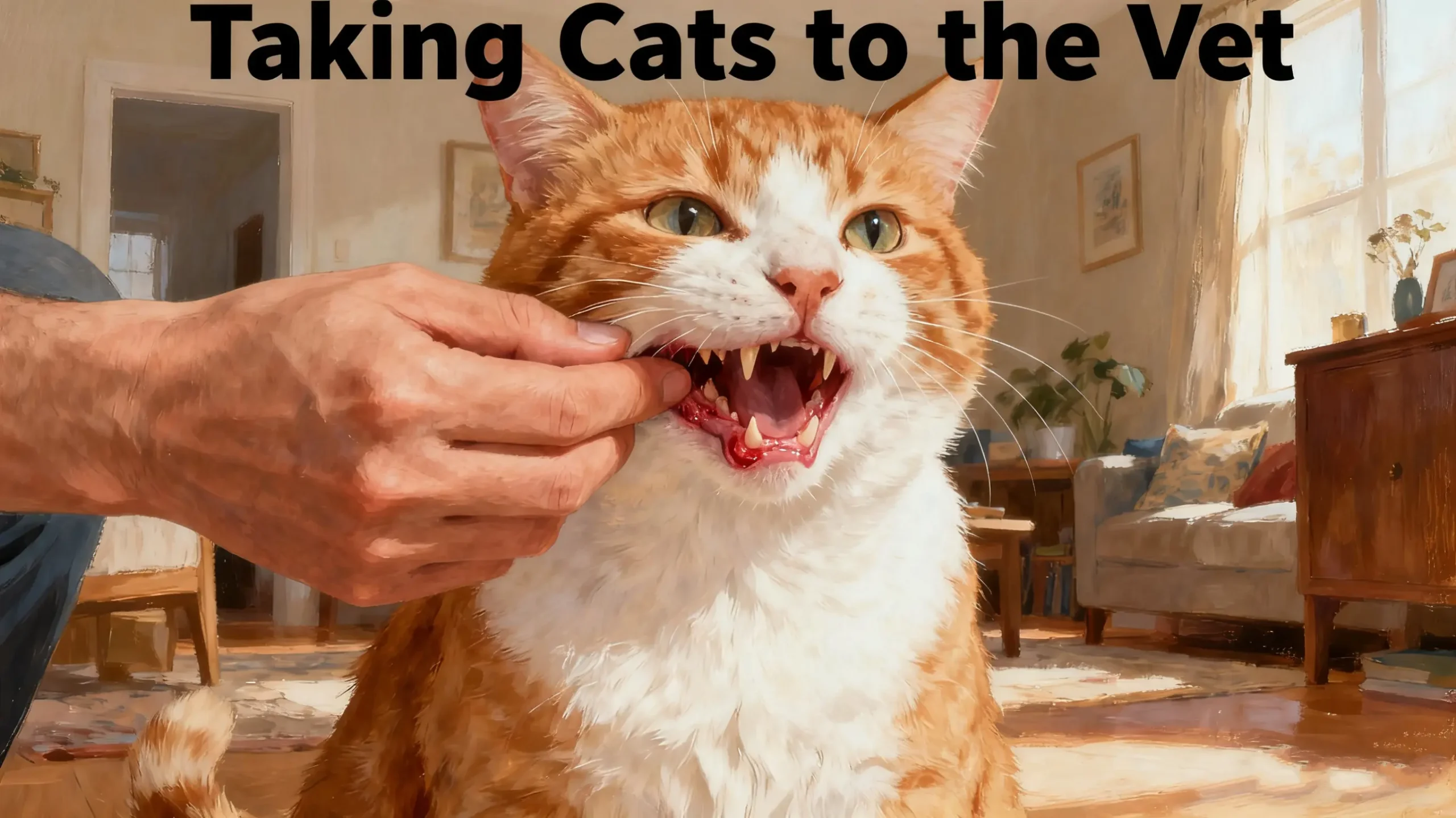
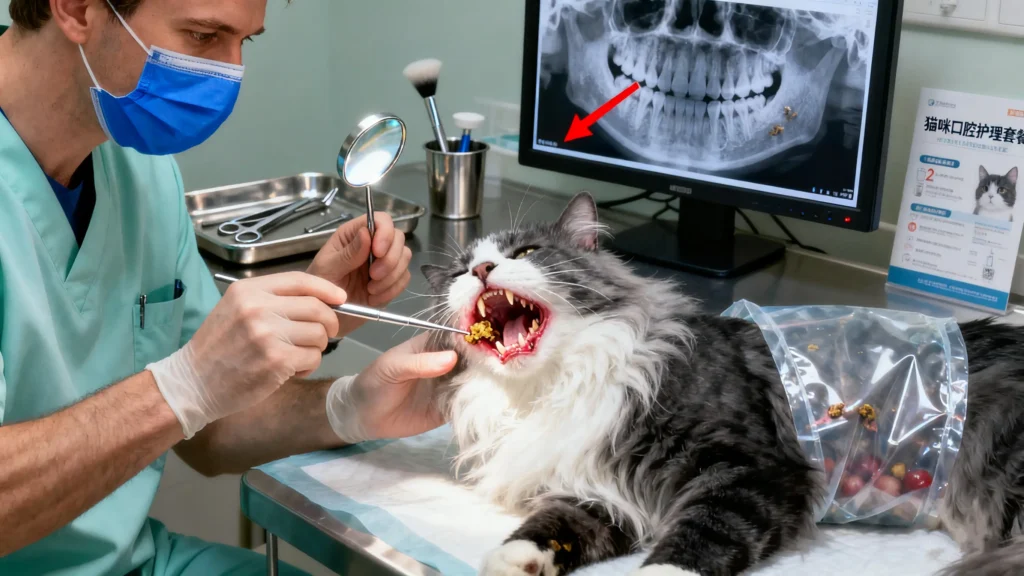
Never ignore their mouth! 70% of cats over 3 have dental issues. My oldest had bad breath—I blamed raw meat, but the vet found swollen gums and tartar, costing much for cleaning. Now I brush their teeth twice weekly to skip this misery (and avoid extra taking cats to the vet).
Taking Cats to the Vet: My Practical Tips for Cat Care in the United States
To minimize vet visits, these are non-negotiable
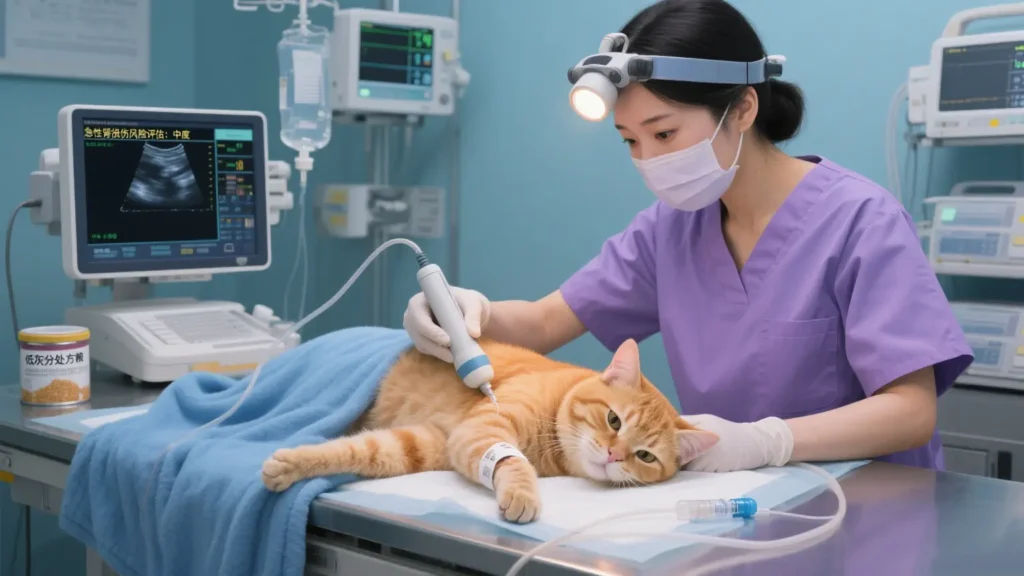
Annual checkups taking cats to the vet are a must for cats over 7, with a focus on kidney and thyroid health. My oldest cat turned 8 this year; her last exam revealed slightly elevated kidney markers, but diet adjustments have since stabilized the condition. Even indoor-only cats require deworming every 3 months—I learned this the hard way when I skipped a dose and my second cat ended up with fleas, necessitating vet-prescribed medication. The optimal time for spaying or neutering is between 4-6 months; vets advise that this reduces the risk of mammary tumors in female cats by 90% and lowers the risk of testicular cancer in male cats.
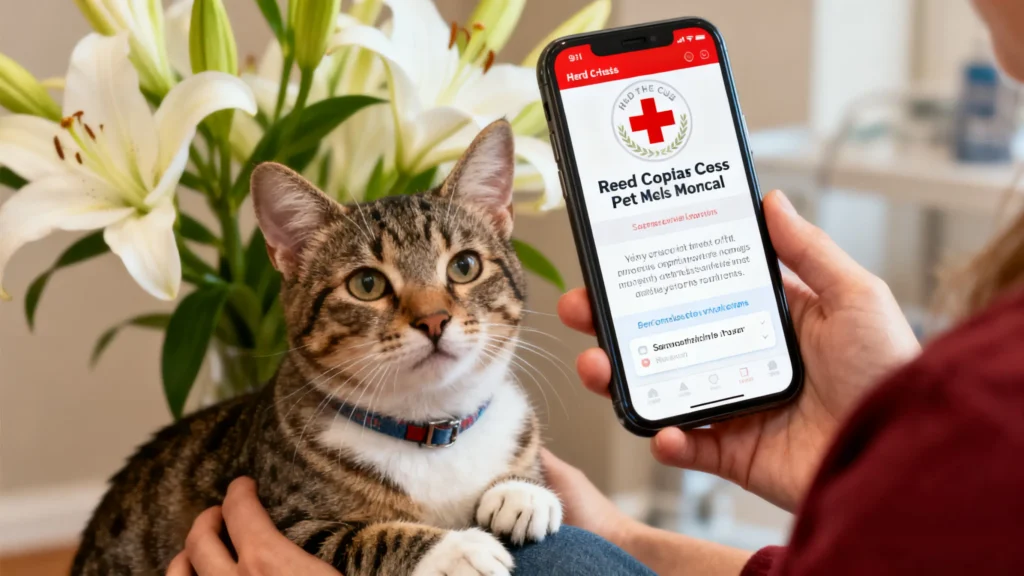
If an emergency arises—like a cat getting its paw caught in a door or accidentally eating lilies (highly toxic to cats)—don’t panic! I keep the Red Cross Pet First Aid app on my phone. It guides you through emergency steps while instantly locating nearby 24-hour pet hospitals—just grab your cat and dash there. Last year, when my second cat swallowed thread, this app let me administer first aid, buying crucial time to get veterinary care.
My biggest realization after years of cat ownership: They can’t cry out in pain, but every unusual twitch is their way of signaling distress. Paying closer attention and taking them to the vet promptly means these furry little companions can stay by our side a little longer. Oh, and I’ve compiled these signs into a handy Cat Health Quick Reference Chart. I printed it out and stuck it next to the litter box—super convenient to reference. If you need one, just shout in the comments section, and I’ll send you a free copy!