3 Ways to Stop Cats Scratching
How to Train Your Cat Not to Scratch Furniture? Cat Owners’ Proven Tips for Peaceful Coexistence Between Furniture and Cats
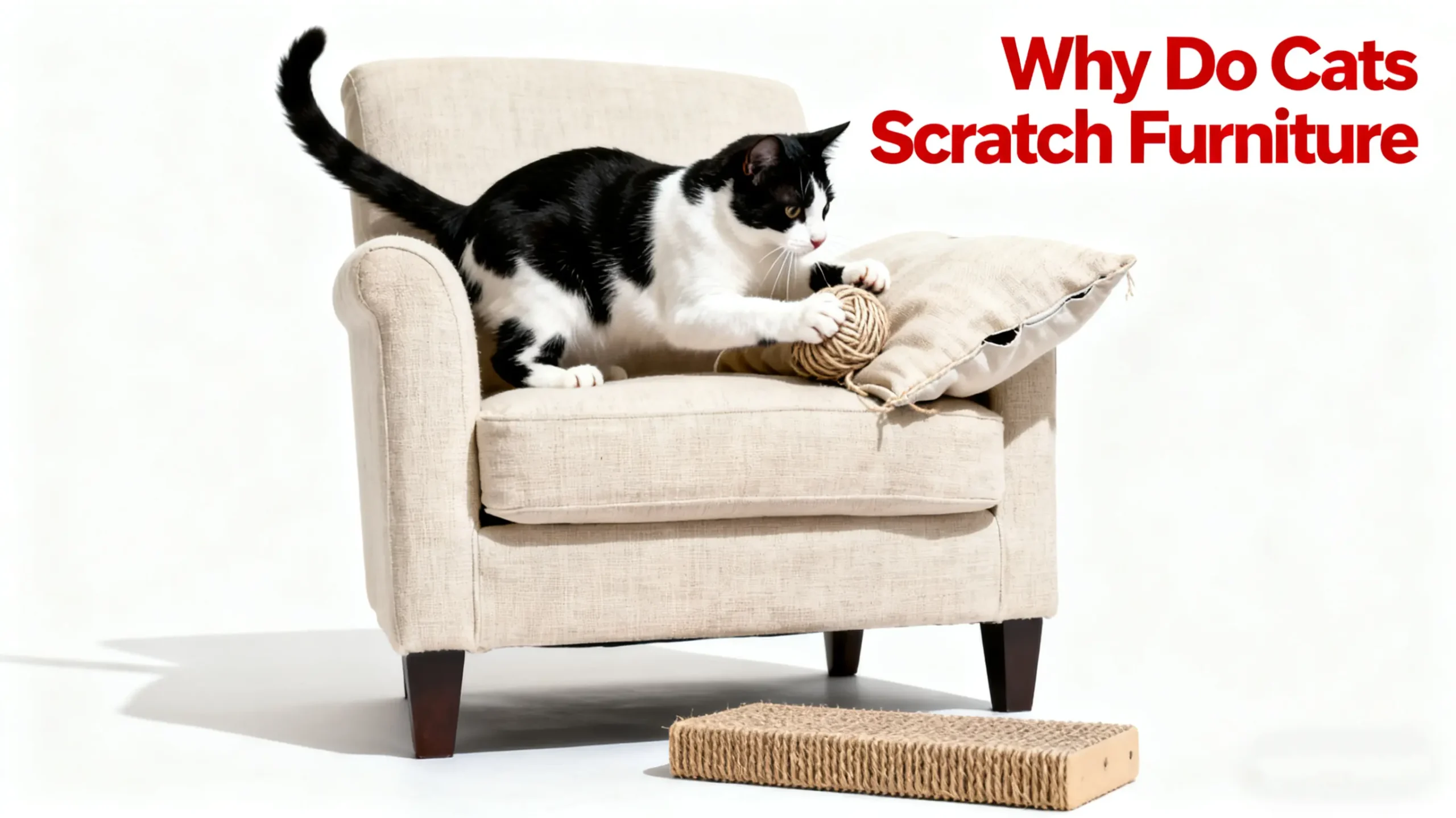
When cats scratch, they’re not deliberately targeting your sofa or table legs—it’s an instinct deeply ingrained in their nature. Scratching serves multiple purposes: sharpening claws, marking territory, and relieving stress. Instead of harshly stopping them, we pet owners should guide them with the right methods. This protects our beloved furniture while respecting their instincts. Below are techniques I and fellow cat owners have personally tested and found effective. Follow these steps, and you’ll see noticeable changes in just 2-4 weeks!
- First, furnish dedicated scratching tools forCats—don’t let furniture become a “substitute”
To stop furniture scratching, give your cat a more appealing outlet—that’s the training key.
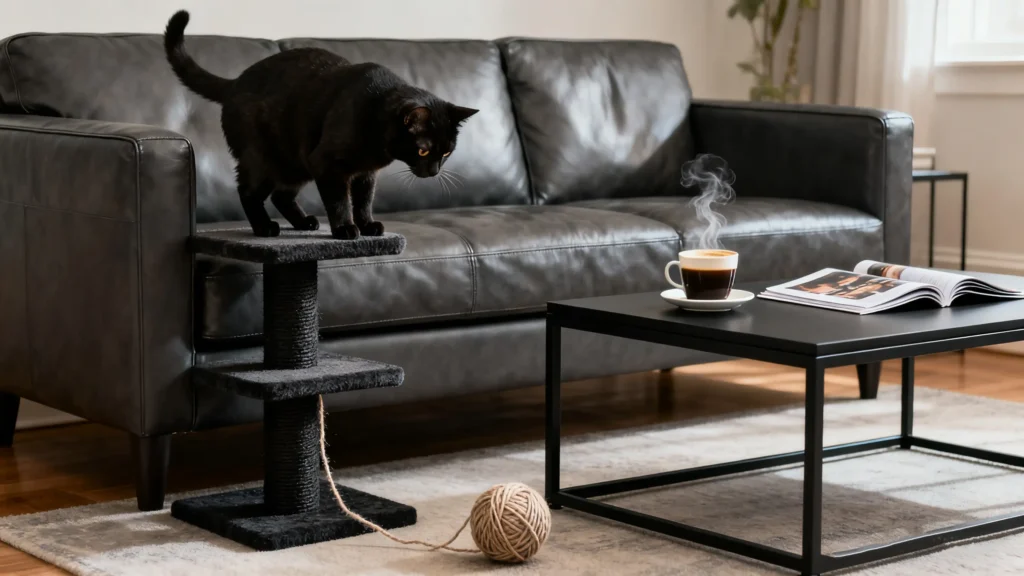
Choose based on your cat’s habits: – If your cat constantly scratches sofa arms (vertical scratchers), go straight for SmartCat’s vertical sisal scratching post. A perennial bestseller on Amazon and Chewy, it’s durable and perfectly aligned with cats’ scratching motions. For horizontal scratchers who love kneading on mattresses or carpets, PetFusion’s corrugated cardboard scratching pad is spot-on—perfectly balanced firmness and unbeatable value. For energetic little troublemakers, Catry’s multi-functional cat tree is ideal: it offers climbing, scratching, and a cozy bed all in one.
Choose materials wisely to avoid waste: Adult cats scratch with significant force, making sisal fiber the most durable option—lasting over half a year without damage. For kittens or infrequent scratchers, corrugated cardboard suffices, though it sheds a bit—just clean up regularly. Households with children or those concerned about messes should go for canvas scratching pads. They’re waterproof and stain-resistant, wiping clean effortlessly.
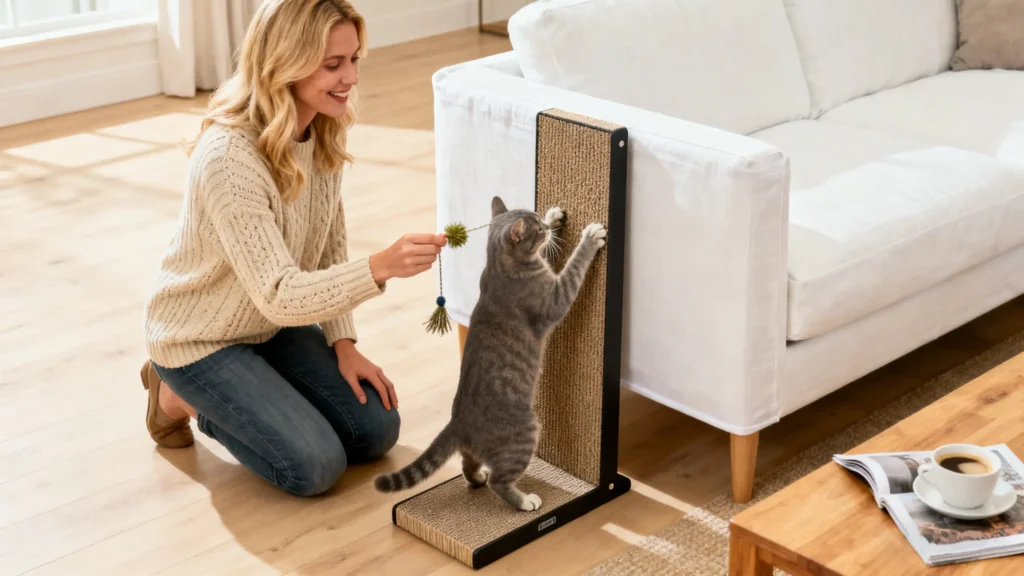
Strategic Placement: Don’t hide scratching tools in corners! Position them near high-traffic “high-risk zones” like sofa sides or bedroom doorways where cats roam and scratch. When they pass by and feel the urge, they’ll spot the alternative instantly.
Add a little trick to attract them: Sprinkle some organic catnip from Bocce’s Bakery (my cat can’t resist it) or rub on a bit of natural woodruff scent. At first, gently hold your cat’s paw and swipe it across the scratcher 2-3 times to help them get used to the texture. Soon, they’ll start scratching it on their own.

- Catch them (cats) in the act — never scold or physically punish the Cats. Positive reinforcement is the key
Your reaction when your cat scratches furniture directly impacts training effectiveness—avoid common mistakes.
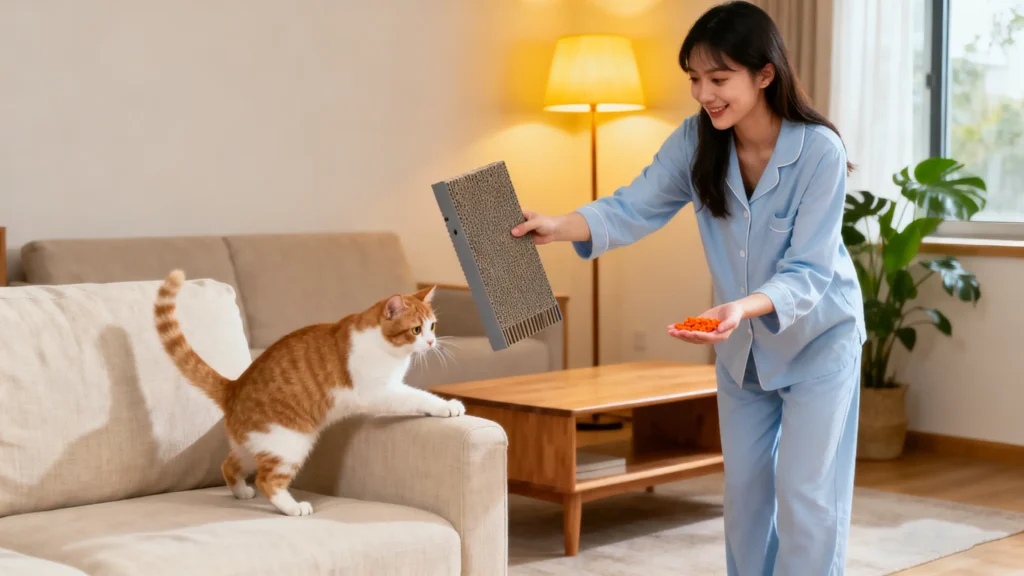
Gently stop them on the spot: As soon as you see them clawing at your leather sofa or solid wood table legs, firmly say “Nope” or “Stop”—no need to raise your voice, but be decisive. Or distract them with a feather teaser wand or freeze-dried treats. Never hit, scold, or spray water! I once tried water spraying, and my cat hid for ages afterward. It actually started scratching furniture more secretly and distanced itself from me.
Immediately guide it to the scratching post: After stopping the behavior, don’t let it wander off. Immediately pick it up and place it in front of the scratching post. Gently press its paw against the surface a few times to reinforce, “This is where scratching is allowed.”
Reward every improvement: Even if the cat scratches the designated tool just once, reward it immediately! Freeze-dried treats like Wellness Core or Temptations cat sticks are favorites. Pair this with gentle petting and praise like “Good job!” Repeat often, and it will learn “scratching here has benefits,” gradually forming a habit.
- Create a “protective shield” for furniture to minimize the chances of Cats making mistakes
Beyond guidance, environmental protection makes training more efficient and minimizes furniture damage.
Implement furniture protection: Cover leather sofas with SureFit waterproof, scratch-resistant leather covers. Their extensive sizing fits most American-style sofas without compromising aesthetics. For vulnerable spots like table legs and wardrobe corners, wrap them with 3M Pet Scratch Guard. Its adhesive is just right—peels off cleanly without leaving residue or damaging finishes. For temporary fixes, aluminum foil or plastic wrap work too; cats dislike the slippery, crinkly texture and usually avoid them.
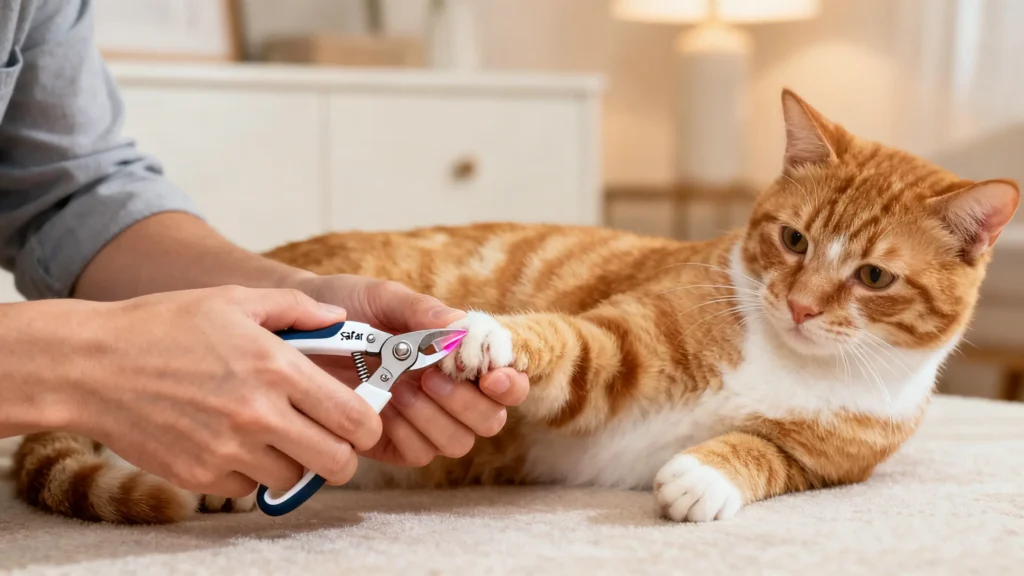
Regular nail trimming is crucial: Trim your cat’s nails every 2-3 weeks using Safari pet nail clippers—recommended by Western veterinarians for safe, flesh-free trimming. Cut only the clear tip (1-2mm) of each nail. Never cut into the pink quick, as bleeding and pain will make your cat resistant to future trims. After trimming, you’ll notice significantly fewer scratches on your furniture and won’t have to worry about your cat scratching itself or family members.
Keep your cat occupied and stress-free: Cats are most likely to scratch when bored or anxious. Now, every day after work, I play with my cat for 15-20 minutes using a cat teaser wand or laser pointer. This exhausts its energy, so it sleeps peacefully at night and has no interest in scratching furniture. If you add a new pet or move homes, remember to provide your cat with a separate safe corner—like a cat bed with a door or a quiet storage room—to help it adjust gradually. Avoid causing stress from environmental changes.
- Steer clear of these pitfalls concerning Cats, and your persistence with them will surely pay off
There are no shortcuts to training cats—patience and consistency are key. Steer clear of these common mistakes:
Family rules must be unified: If I stop the cat from scratching furniture, but family members think “It’s fine, just a few scratches.” This confuses the cat about whether scratching is allowed, significantly prolonging the training period. Everyone must be on the same page.
Absolutely reject punishment-based training: Methods like spraying water, scolding, or using sticky tape on paws only make the cat fear you. Not only do they fail to correct scratching habits, but they also destroy trust between you and your cat—a lose-lose situation.
Embrace your cat’s nature: Scratching is instinctive. Our goal is to “guide them to scratch in the right places,” not ban it entirely. As long as they’re not scratching furniture, even if they shred the scratching post to pieces, let them be—it’s a perfectly normal need!
Cat ownership is all about this—putting yourself in their shoes and using a few clever tricks to coexist peacefully. My once-scratched leather sofa now has hardly any new marks, and my cat can still sharpen its claws freely. It’s a win-win!