Best Cat Food 2025
The key to cat ownership lies in choosing the Best Cat Food—a high-quality diet keeps your feline companion healthy and energetic while reducing vet bills. Whether you’re a new owner welcoming a kitten home or an experienced cat parent looking to upgrade your cat’s diet, this guide will help you find the best cat food tailored to U.S. shopping scenarios and feeding habits, avoiding 90% of common pitfalls.
Essential Cat Nutrition: Core Elements of the Best Cat Food
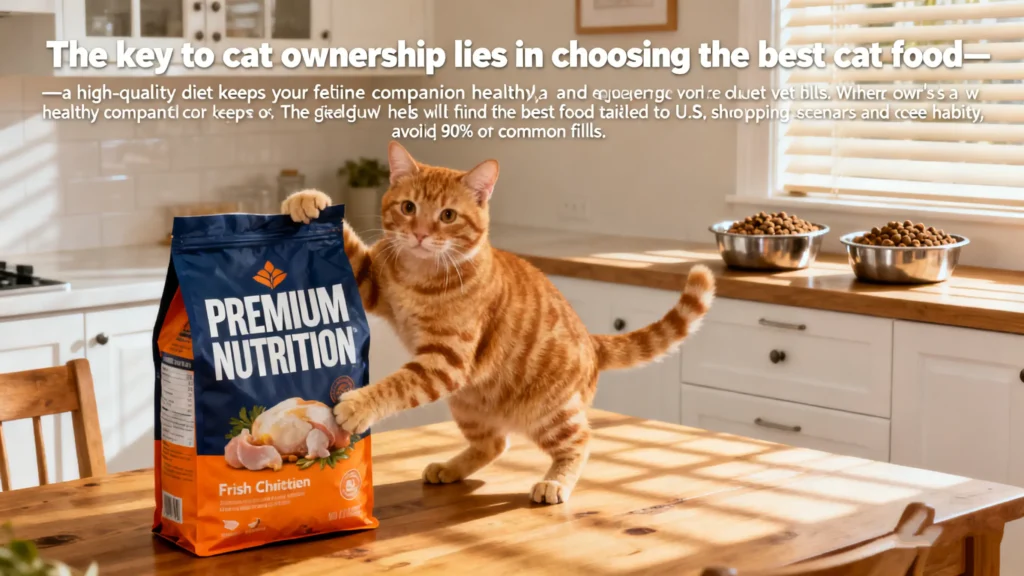
Cats are strict carnivores, so when selecting the best cat food, focus on these three key elements—missing any one disqualifies it as truly optimal:
✅ High-Quality Animal Protein: The Foundation of Ideal Cat Food
The first ingredient must be clearly labeled meat (e.g., deboned chicken, wild salmon, lean beef). Never choose foods containing “meat by-products”—these typically include low-quality parts like beaks and paws, offering minimal nutritional value and posing hygiene risks. The amino acid “taurine” in animal protein is crucial: Taurine deficiency can cause vision loss and heart problems in cats. A 2023 study by the American Veterinary Medical Association (AVMA) revealed that 78% of cats lacking taurine develop vision issues before age 5—a fact that cannot be ignored!
✅ Healthy Fats: Key Components of Optimal Cat Food
The best cat food should contain omega-3 fatty acids (typically from fish oil) and omega-6 fatty acids (commonly found in chicken fat). These components provide energy for cats and promote soft, shiny fur (say goodbye to dry, frizzy coats!). When selecting dry kibble for your cat, carefully examine the nutrition label: fat content between 15%-20% is ideal—too little can cause dry fur, while too much may lead to obesity.
✅ Vitamins and Minerals: Essential Nutrients for Optimal Cat Food
The best cat food should carry the AAFCO (Association of American Feed Control Officials) certification label—all major brands in the U.S. market (both mainstream and premium) display this certification. Ensure the food contains: Vitamin A (boosts immunity, crucial for kitten growth), Vitamin D (promotes calcium absorption, prevents osteoporosis), a calcium-to-phosphorus ratio of 1:1 to 1.2:1 (protects bones and teeth), and potassium and magnesium (maintains kidney health, prevents common urinary tract infections).
The Best Cat Food for Your Feline: Top Picks & Buying Guide
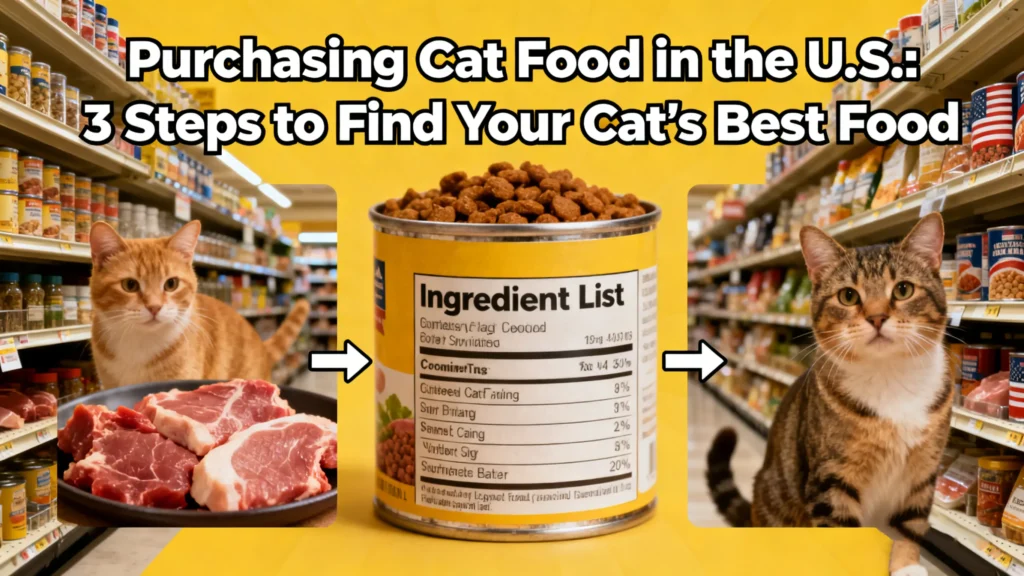
Buying cat food in the U.S. is highly convenient. You can shop at Petco, Chewy, Amazon, local veterinary clinics, or pet stores like PetSmart. Follow these 3 steps to easily select the best food for your cat:
Step 1: Check the Top 3 Ingredients — Filter Out Low-Quality Foods and Identify the Best Options
If the top 3 ingredients include specific meats like “boneless salmon” or “chicken meal,” it signals a high-quality food. If corn, wheat, or soy appear in the top 5 ingredients, skip it: Cats struggle to digest large amounts of carbohydrates, and excessive intake can lead to soft stools or weight gain. “Meat by-products” are an absolute red flag—foods containing this ingredient can never be the best choice for your cat.
Step 2: Match AAFCO Life Stage — Optimal Cat Food Must Suit Age
Cat food packaging must state: “Formulated to meet AAFCO Cat Nutrient Profiles for [Life Stage].” Select the best cat food based on your cat’s age:
Kittens (0-12 months): Choose food with ≥30% protein and higher calorie content to support growth needs.
Adult cats (1-7 years): Select balanced food with 25%-30% protein to maintain healthy weight.
Senior cats (7+ years): Opt for low-phosphorus formulas with glucosamine to reduce kidney strain and joint pain (senior cats are prone to arthritis).
Step 3: Dry vs. Wet Food Combination — Creating the Optimal Diet for Your Cat
No need to choose between dry and wet food! Each has distinct advantages: Dry food is convenient to store, affordable, and helps clean teeth (ideal for busy pet parents and cats with adequate water intake). Wet food has high moisture content (prevents urinary blockages) and rich flavor (suitable for picky eaters or senior cats). For optimal nutritional balance, mix 70% dry food with 30% wet food to ensure both nutrition and hydration.
Cats with Special Needs: Choosing the Best Food (Veterinarian Recommended)
Cats with health issues require customized diets — always consult your vet before changing food!
🐱 Allergic Cats: Hypoallergenic food is the best choice
If your cat frequently scratches, sheds excessively, vomits, or has diarrhea, food allergies may be present (common allergens: beef, dairy, salmon, grains). The best food for these cats is a single-ingredient formula (e.g., “Chicken + Sweet Potato”) free of artificial flavors and colors—these ingredients can irritate sensitive cats.
🐱 Cats with Kidney Disease / Obesity: Prescription Diets Are the Best Choice
For cats with kidney disease: The ideal diet should contain 0.5%-0.8% phosphorus and 20%-25% protein to reduce kidney strain (veterinarians often recommend Royal Canin Kidney Support or Hill’s k/d prescription diets). For overweight cats (2024 American Veterinary Medical Association data shows 34% of U.S. cats are overweight): Choose the best cat food with 250-300 calories per cup and 5%-8% fiber content. Feed measured portions daily and engage in 20 minutes of playtime with toys like cat wands to aid weight loss.
Homemade Cat Food: Only Done Right Is Best for Cats
Many American cat owners prefer homemade meals, believing them fresher. However, for homemade food to be optimal, follow these guidelines: Combine 70%-80% meat (chicken, salmon, etc.) + 10%-15% organ meat (liver, kidneys—feed no more than twice weekly) + 5%-10% steamed vegetables (spinach, carrots). Add 1/4 teaspoon of taurine powder and 1/8 teaspoon of calcium powder to prevent nutritional deficiencies. Meat must be thoroughly cooked and refrigerated for no longer than 3 days. If you’re pressed for time or your cat has conditions like diabetes, commercial cat food is more reliable (with more precise nutritional ratios).

3 Tips: Ensuring You Choose Genuine Premium Cat Food
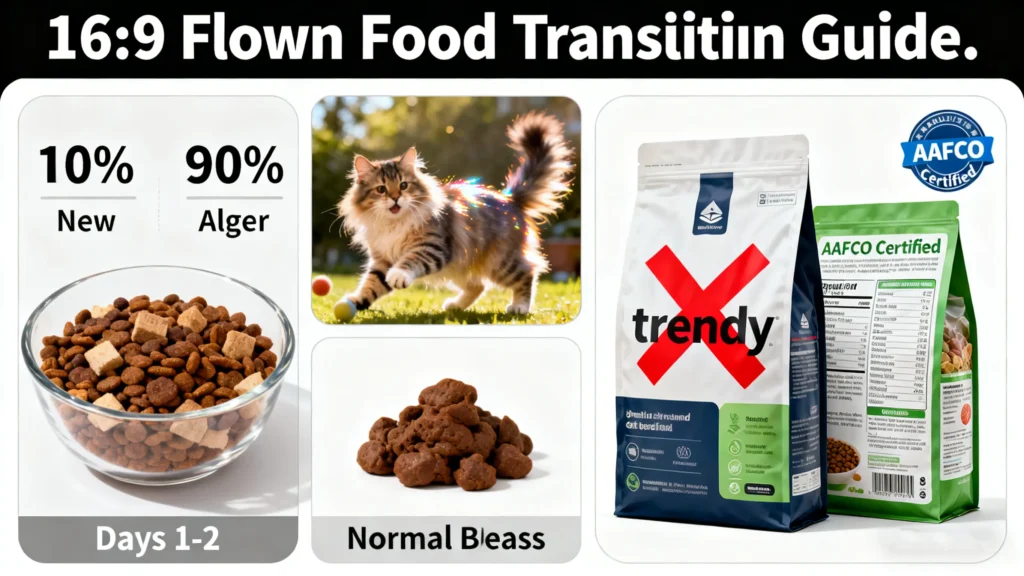
Transition gradually: Mix 10% new food with 90% old food for days 1-2, then slowly increase the new food ratio over the next 7 days to prevent digestive upset.
Monitor your cat’s condition: A shiny coat, regular bowel movements, and active behavior indicate the right choice. Switch immediately if soft stools or loss of appetite occur.
Avoid “trendy” foods: Many popular brands lack AAFCO certification and may have quality issues. Genuine premium cat food always carries AAFCO certification with clear, transparent ingredients.
📌 Top-Rated Cat Foods in the US (For Every Budget)
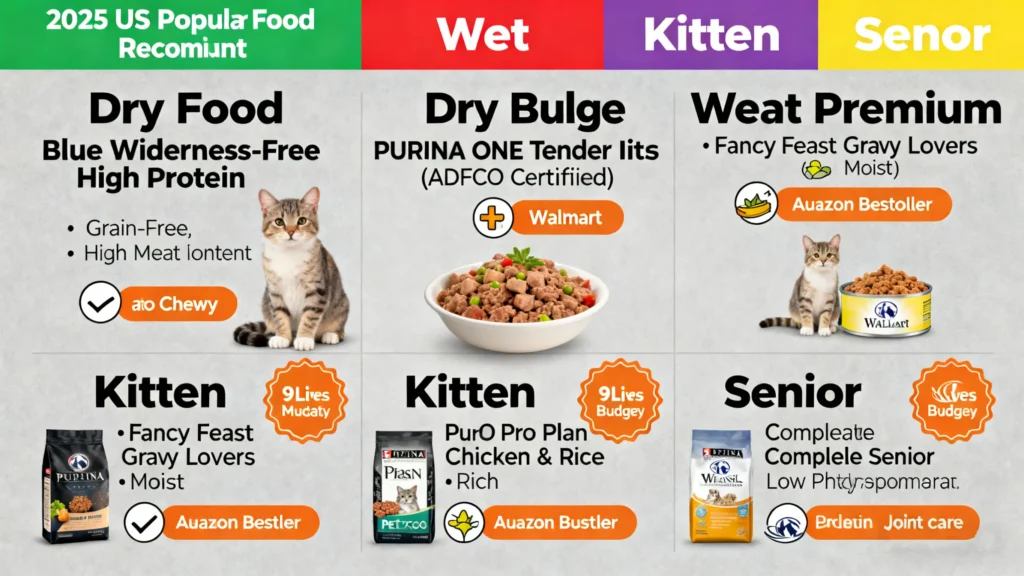
Below are highly acclaimed options for 2025, covering various budgets and readily available in the US:
Dry Food (Premium): Blue Wild Grain-Free High Protein (Grain-free formula with high meat content, available on Chewy);
Dry Food (Budget-Friendly): Purina ONE Tender Cuts (Great value, AAFCO-certified, available at Walmart);
Wet Food (Premium): Zhenzhi Meat Gravy Series Cans (Delicious texture, high moisture content, Amazon bestseller);
Wet Food (Budget-Friendly): 9Lives Minced Meat Cans (Excellent value, available at Petco);
Kitten food: Purina Pro Plan Kitten Chicken & Rice (high protein for growth support);
Senior cat food: Wellness Complete Senior Formula (low phosphorus formula for joint care).
Is your cat a picky eater or experiencing digestive issues? Or unsure which food is best suited for your feline companion? Feel free to leave a comment below — our team of local pet nutritionists (with over 5 years of professional experience) will provide personalized recommendations to help you find the perfect food for your cat!