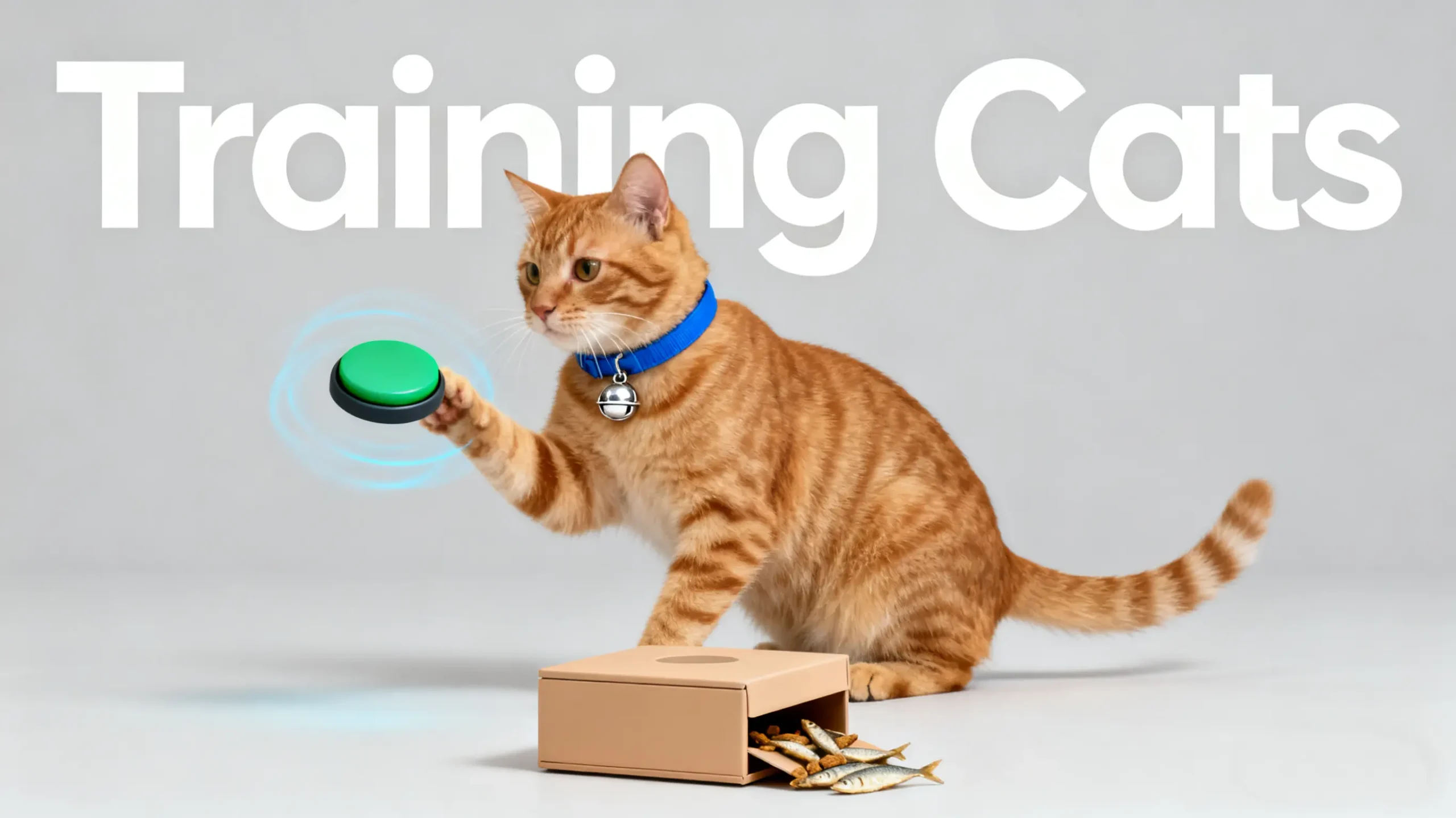
What is the best way for Training Cats?
Training Cats to Adapt to Home Life: Five Core Elements for Creating an Ideal Living Space
For cat owners, caring for a cat involves more than just providing food and shelter. We all want our feline companions to be healthy, happy, and well-adjusted to family life—and training them to adapt to their home environment is a crucial step. Today, we’ll dive into how creating five essential environmental elements can help your cat feel right at home and make training go more smoothly.
Training Cats: Mastering Vertical Space – Satisfy Climbing Instincts, Ease Territorial Anxiety
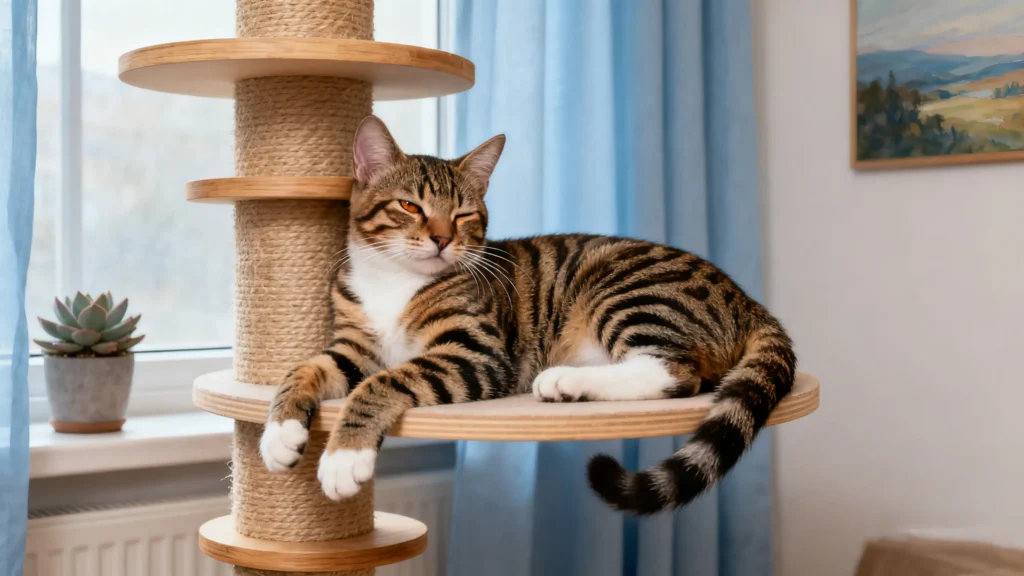
Notice how your cat always seeks out high places? This urge to climb and explore vertical spaces is a natural instinct. To train cats to adapt to home life, provide vertical spaces like cat trees, windowsills, and bookshelves.
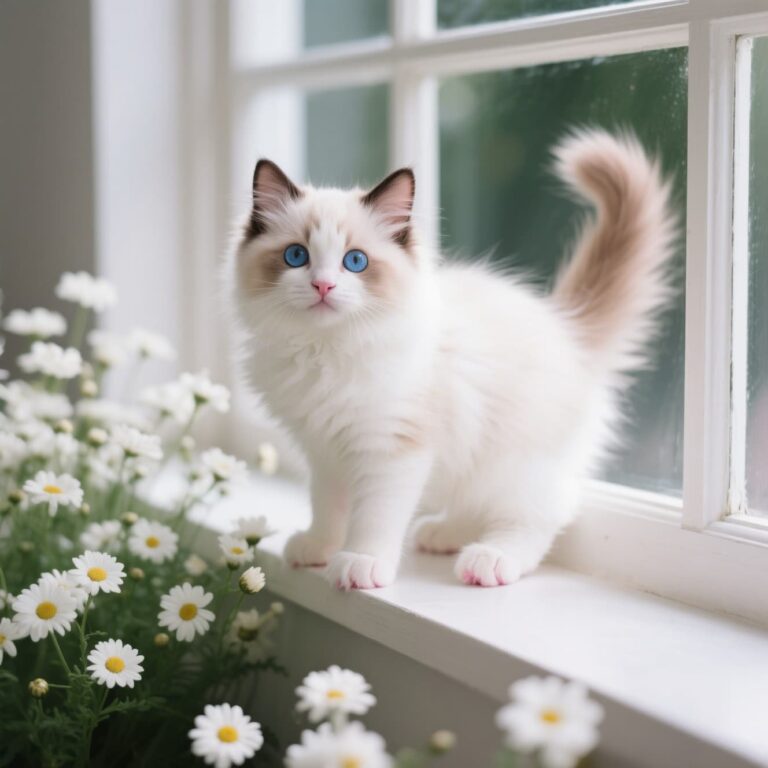
Take cat trees, for instance—different breeds have distinct preferences. Active Siamese cats adore tall, challenging structures where they can leap and play freely, while gentle Ragdolls might prefer lower, cozy windowsills. As owners, we should observe our cats’ preferences and arrange vertical spaces that suit them.
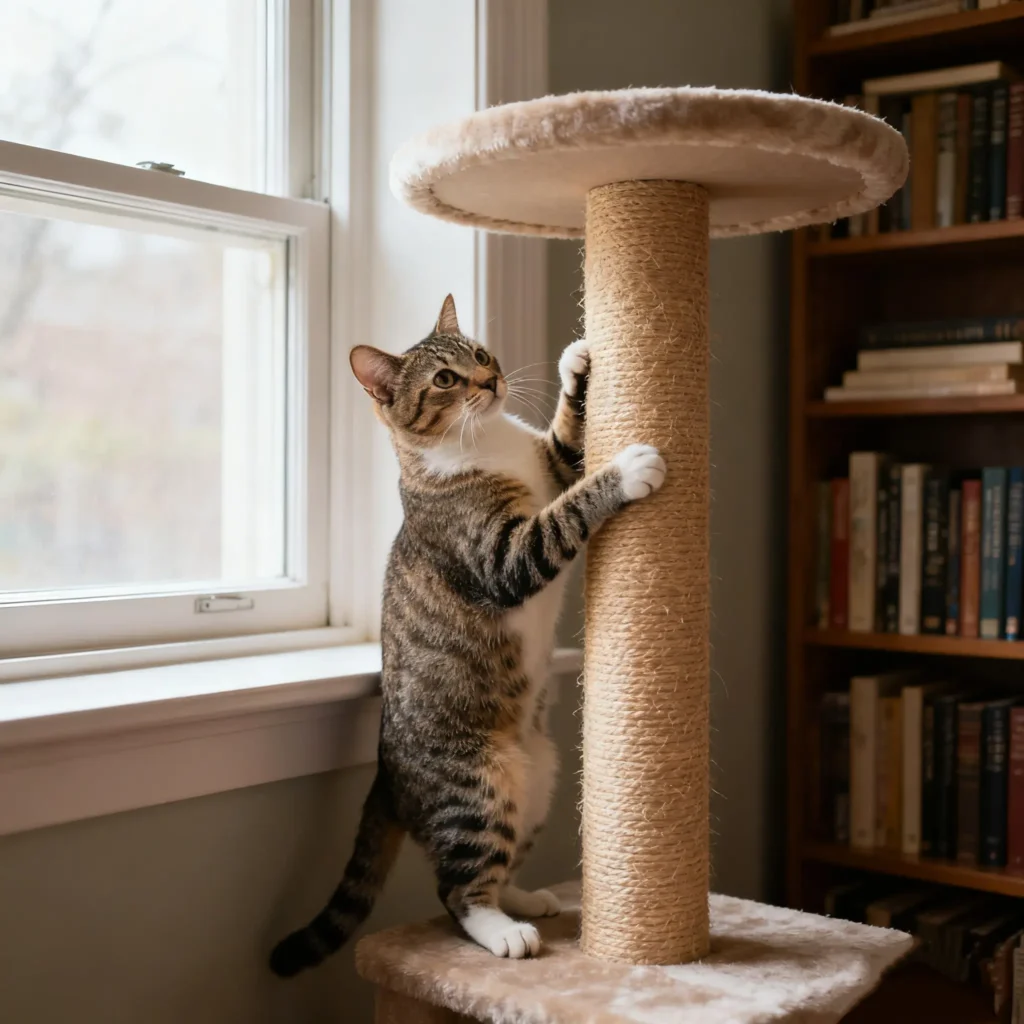
When cats can freely navigate these elevated spots, they feel more in control of their environment, gradually becoming more confident and relaxed. Take my little tabby, for instance—she was timid when she first arrived. But since getting the cat tree, she’s grown bolder and now ventures everywhere in the house. So, vertical space plays a huge role in training cats.
Training Cats: Creating Hiding Spots for Security and Stress Relief
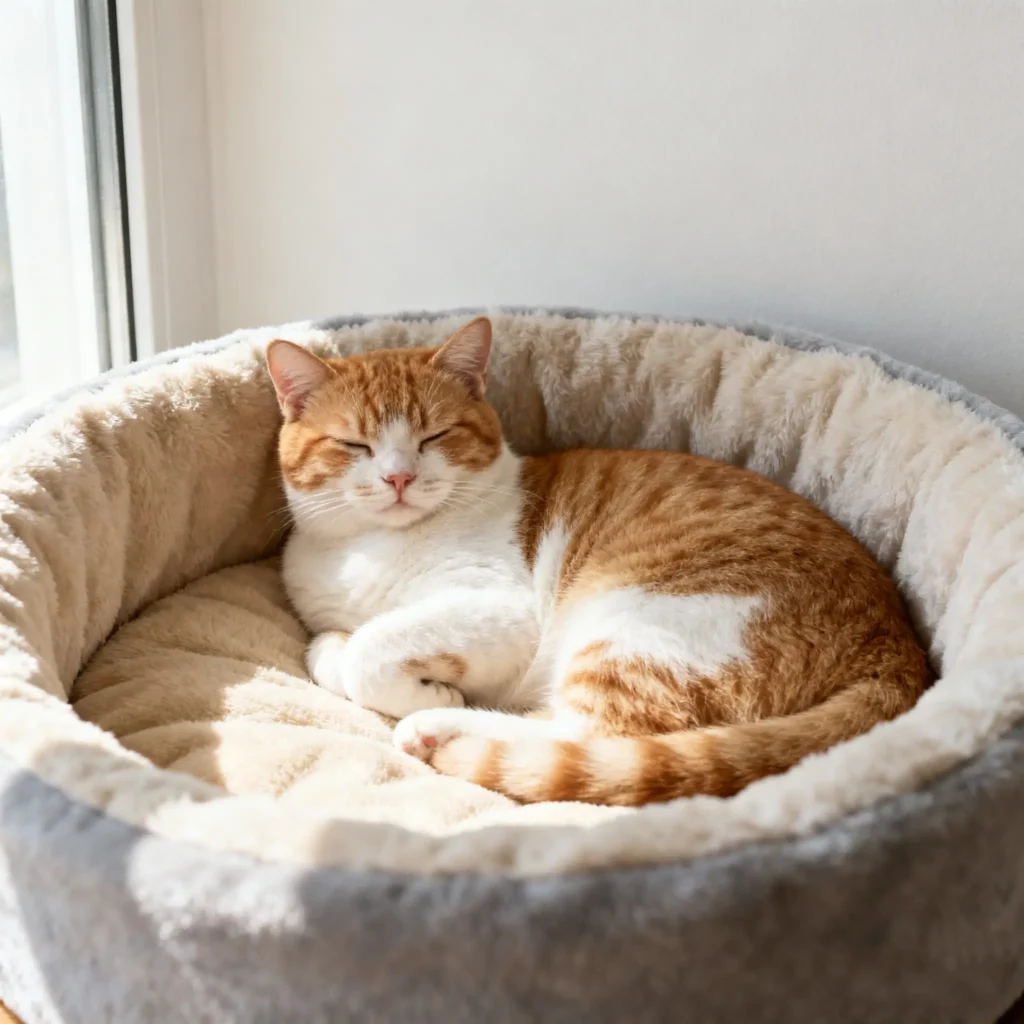
Just like humans seek quiet corners when stressed, cats do too. Providing hiding spots—like cardboard boxes, tunnels, or dedicated cat beds—is vital for helping your cat cope with household situations.
Different personalities and breeds prefer different hiding spots. Independent, curious cats might love open cardboard boxes, peeking out occasionally. Shy, sensitive cats prefer snug, enclosed beds where they can hide completely.
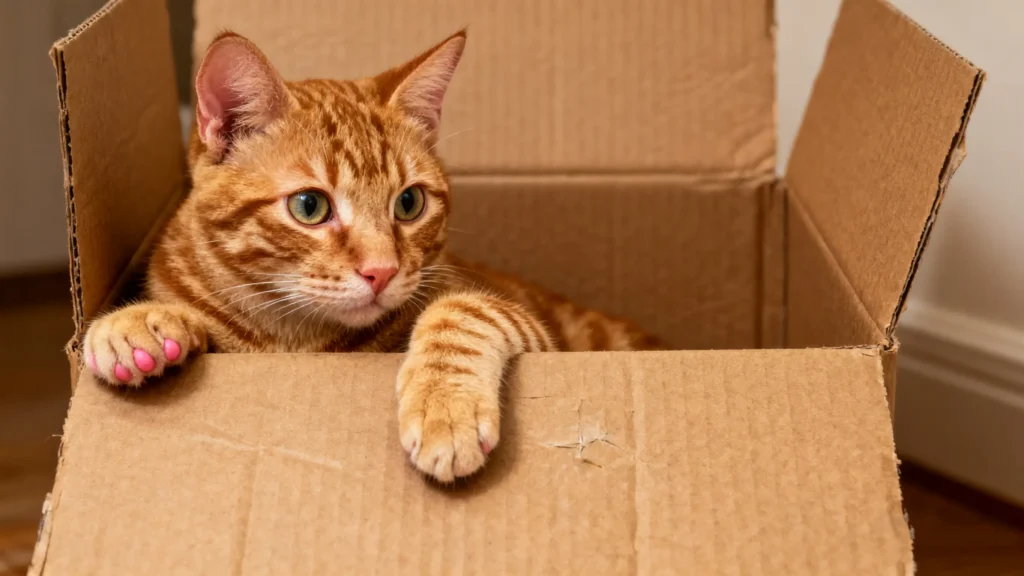
With this reliable hideaway, cats can better cope with household stress and anxiety. For instance, when guests arrive, your cat can retreat to its cozy nest and emerge at its own pace once it feels safe. Placing a small blanket with familiar scents in the hiding spot can further enhance its sense of security. This proves immensely helpful during the training process.
Training Cats: Providing Sensory StimulationPrevent Cognitive Decline, Release Excess Energy
We all want our cats to stay sharp and playful, which requires ample sensory stimulation. Toys like catnip-infused items or moving objects fully engage their senses, helping prevent cognitive decline.
Different breeds have varying toy preferences. Energetic short-haired cats go wild at the sight of fast-moving toys, chasing them relentlessly. Elegant long-haired cats, however, might prefer catnip-scented toys—sniffing and playing with them in pure contentment.
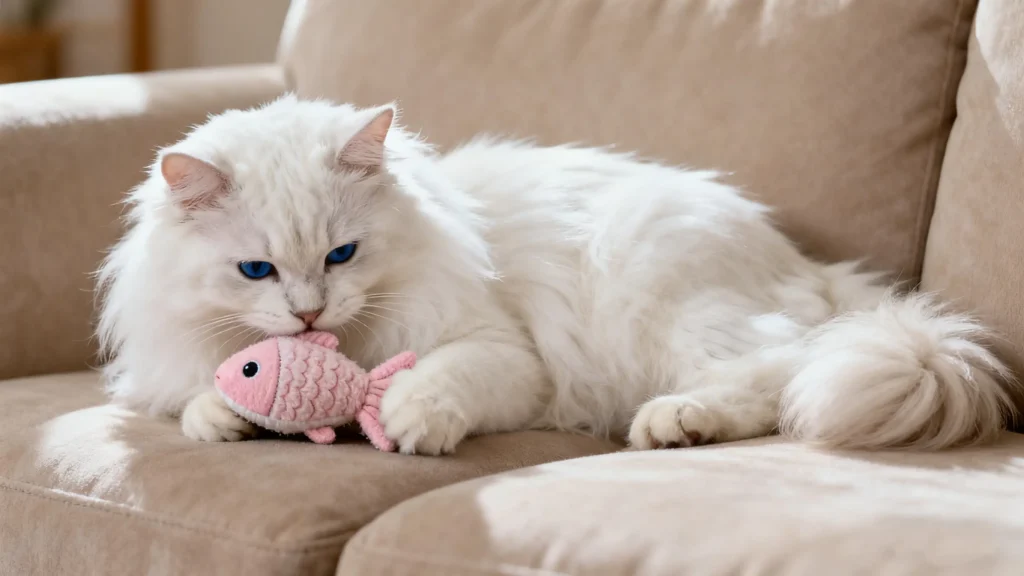
When training cats, providing these sensory stimuli enriches their lives and enhances focus. For instance, playing with my cat daily using a cat teaser wand makes her well-behaved and significantly eases training. Additionally, regularly rotating toys keeps things fresh and exciting for them.
Training Cats: Perfecting Hygiene Facilities – Reducing Litter Box Stress and Preventing Random Elimination
Litter box habits are a major key to successful cat training. Keeping the litter box area clean and functional is fundamental. Follow the (n + 1) rule: provide one more litter box than the number of cats. This ensures each cat can use the box comfortably without getting upset over competition or uncleanliness.
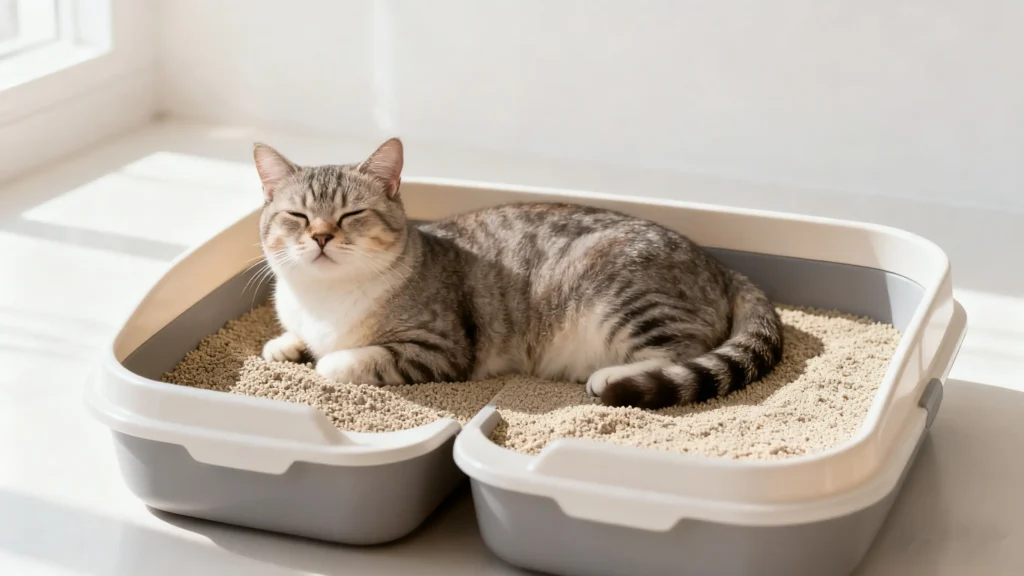
Different breeds have specific litter box needs. Larger cats require bigger, roomier boxes—otherwise, they can’t even turn around comfortably. Shy cats prefer quiet, secluded corners for their litter box, as it makes them feel safer.
As owners, we need to be diligent: clean the litter boxes daily and change the litter regularly. If the litter box is dirty or insufficient, cats may start urinating or defecating elsewhere, making training significantly harder.
Training Cats: Designing Foraging Challenges to Simulate Hunting Instincts and Prevent Obesity
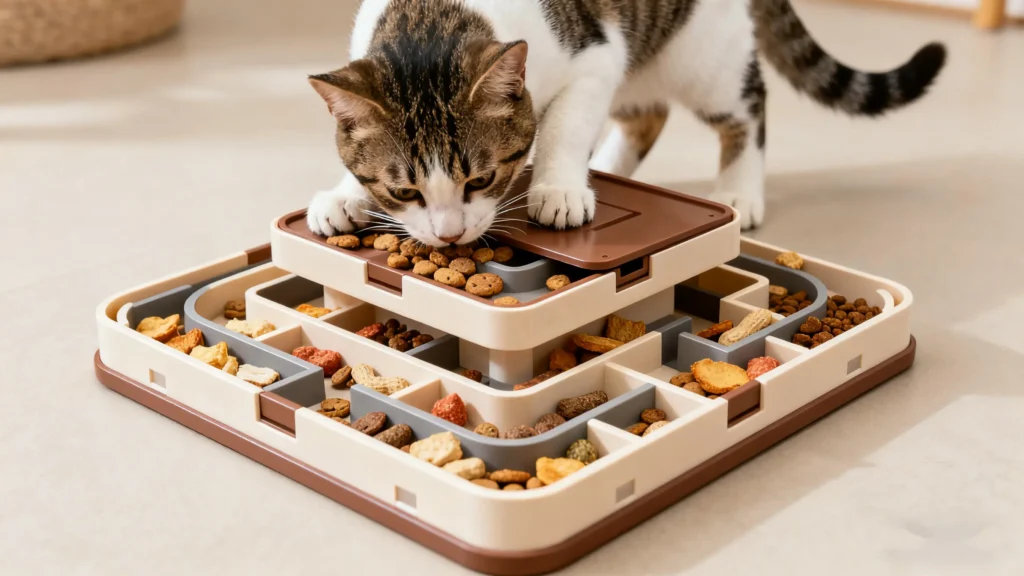
Cats are natural hunters. Creating foraging challenges at home lets them experience the thrill of the hunt. Use puzzle feeders, treat toys, or hide food around the house to turn mealtime into a playful game.
Different cat breeds have varying hunting instincts and activity levels. Energetic and playful cats like the Leopard Cat thrive on more challenging foraging games that fully engage them, while relatively laid-back breeds like the British Shorthair may prefer simpler foraging methods.
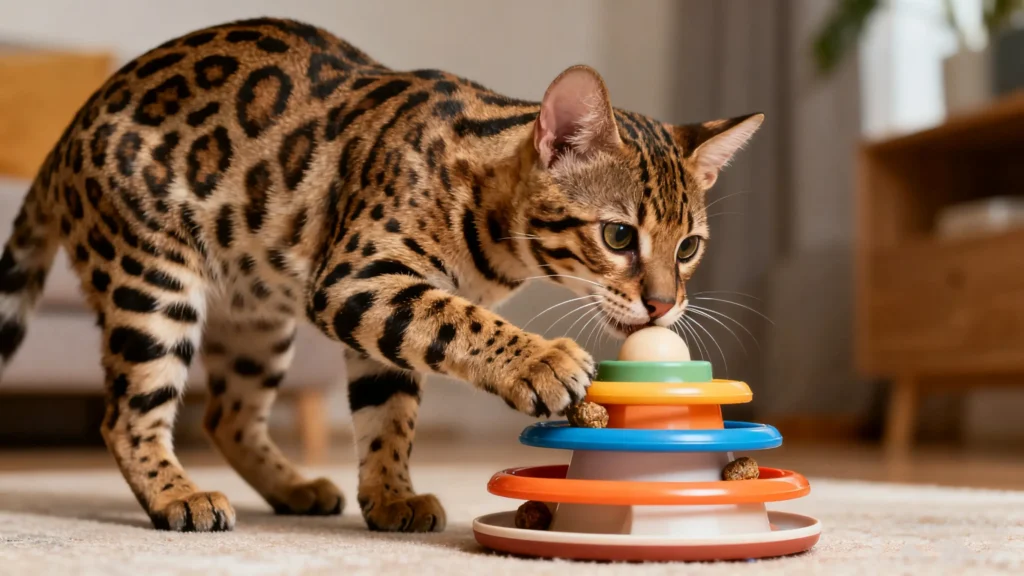
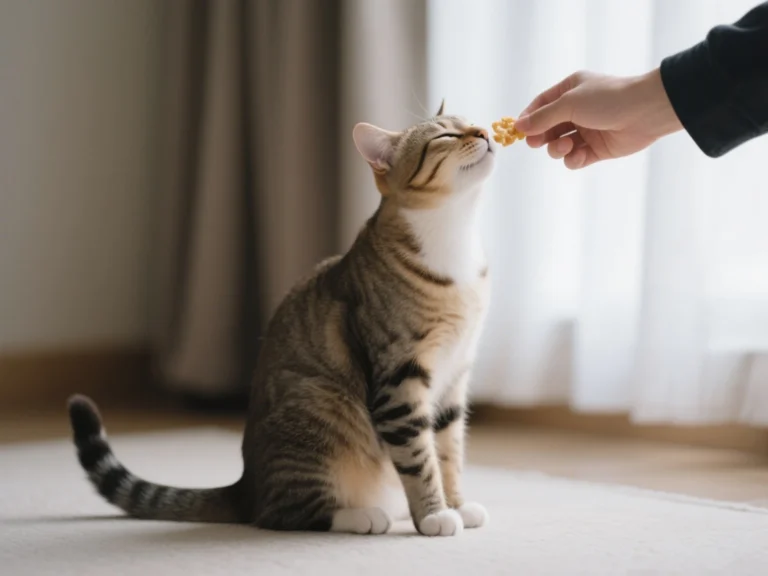
These foraging challenges not only provide mental stimulation but also encourage exercise, helping prevent obesity. For instance, hiding freeze-dried treats inside cardboard boxes makes cats leap and scramble to find their food, satisfying their hunting instincts while getting a workout. You can adjust the difficulty level and food variety based on your cat’s eating habits.
By dedicating a little extra thought and focusing on these five core environmental elements, cat owners can create an exceptional home environment for their feline companions. A well-adjusted, healthy, and happy cat makes for a truly devoted little companion. To strengthen the bond between you and your cat, take action now! Share any amusing stories from your cat’s training journey in the comments section below.