
Caring for Your Cat: 5 Pro Tips Now
Caring for Your Cat: The Science of Dietary and Health Management
Over 65% of households consider cats family members, and scientifically informed feeding is the first step in building that bond. Kittens require over 32% protein daily (e.g., Instinct Grain-Free Kitten Formula), while adult cats should consume 20-25 calories per pound of body weight (indoor cats need a 15% reduction to prevent obesity). Senior cats aged 7+ should receive low-phosphorus (<0.8%) prescription diets supplemented with Omega-3 fatty acids to alleviate joint pain.
Fatal Toxin List:Onions/Garlic: As little as 1 gram can destroy red blood cells, causing hemolytic anemia.Chocolate: 0.1 ounce of dark chocolate can trigger seizures and arrhythmia.Xylitol: One piece of sugar-free gum can cause acute liver failure.
Advanced Tips: When using automatic feeders, disassemble, wash, and sanitize weekly to prevent mold growth. Limit treats to under 10% of daily caloric intake to avoid picky eating. If your cat suddenly refuses food for over 24 hours, immediately wipe its gums with a damp cloth (to check for fever) and contact your veterinarian.

Caring for Your Cat: Creating a Safe, Comfortable Vertical Space
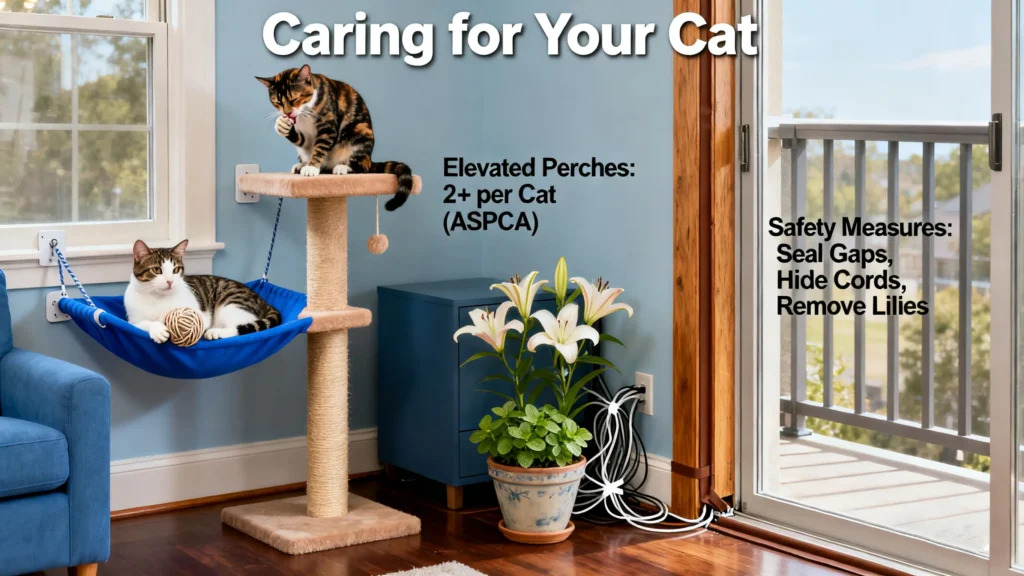
American home layouts necessitate maximizing vertical space. Per ASPCA guidelines, each cat requires at least two elevated perches (e.g., window hammocks, top levels of cat trees). Seal balcony gaps wider than 15cm (to prevent falls), conceal all electrical cords (chewing risks electrocution), and remove lilies (a single leaf causes kidney failure).
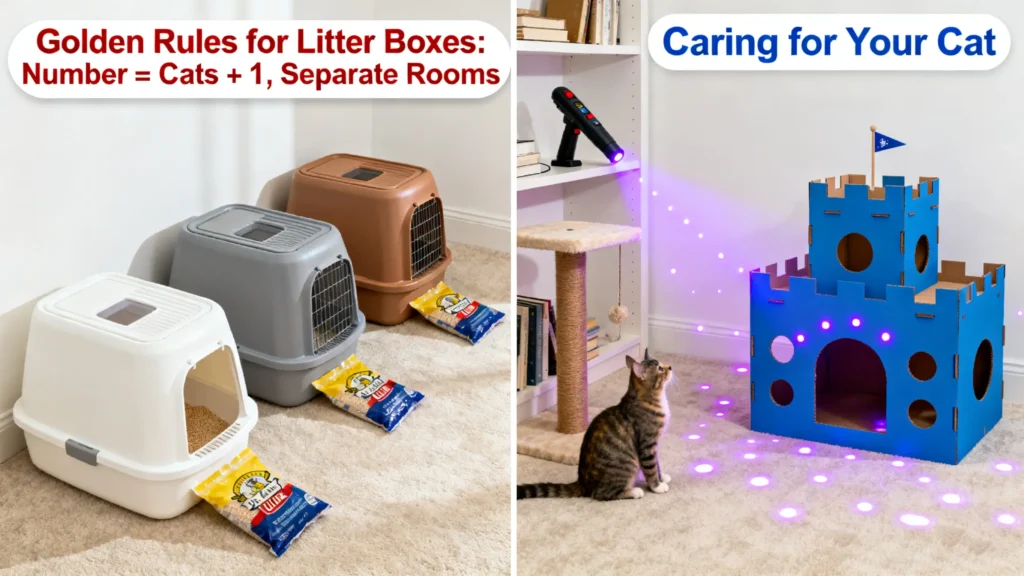
Golden Rules for Litter Boxes:Number = Number of Cats + 1, placed in separate roomsUse dust-free bentonite litter (e.g., Dr. Elsey’s Ultra), scoop clumps dailyPerform full litter changes weekly, disinfect trays with pet-safe solutions.Dynamic Toys: Feather wands mimic bird flight patternsSmart Devices: Automatic laser pointers with random movement modesHide Spaces: Cut side openings in cardboard castles for exploratory play
Working Cat Owner Solution: Use smart feeders for timed freeze-dried treats + play bird videos (YouTube’s “Cat TV” channel has over 200 million views).
Caring for Your Cat: Understanding Emotional Needs Behind Behavior
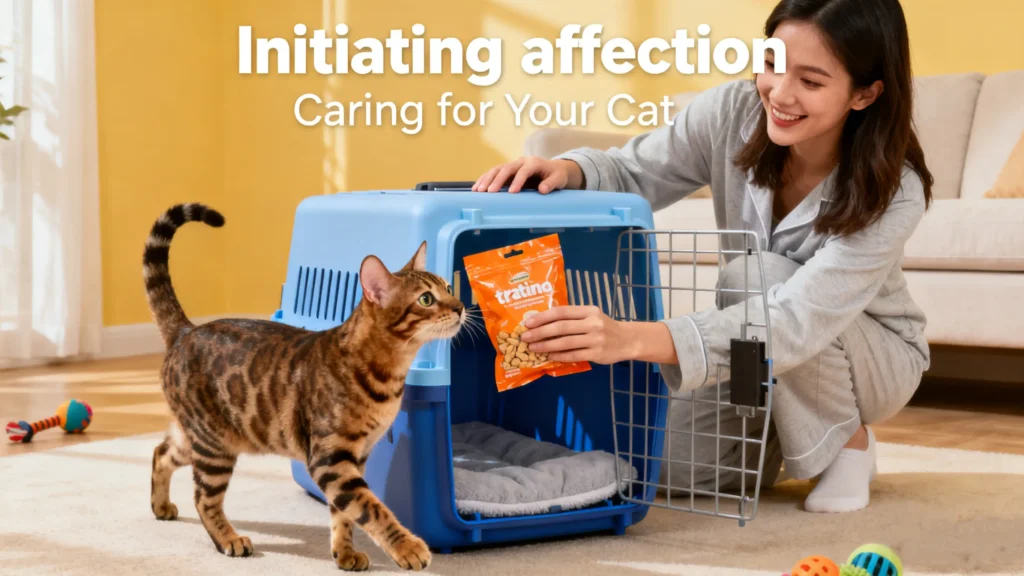
Though independent, cats require 30 minutes of focused daily attention. Three trust-building scenarios:Grooming time: Daily brushing for long-haired cats to prevent mats; twice weekly for short-haired cats (use metal comb in the direction of fur growth).Eye contact communication: Slow blinking signals safety (a feline “kiss”); wait until the cat nudges your hand with its forehead before petting.Initiating affection: Avoid sudden picks-ups; use treats to guide them into a carrier (desensitization training for vet visits).
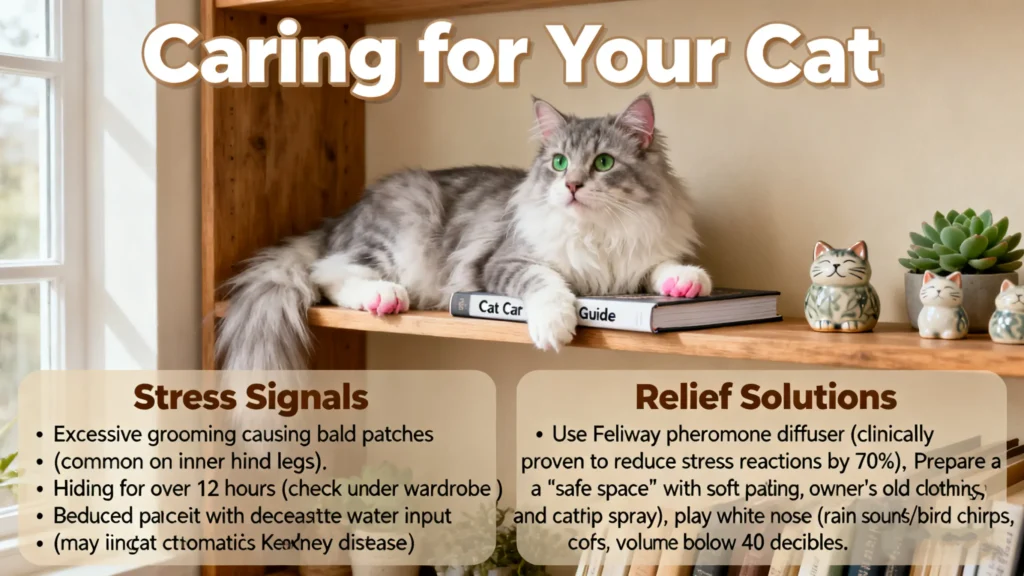
Stress Signals:Excessive grooming causing bald patches (common on inner hind legs)Hiding for over 12 hours (check under wardrobe bottoms)Reduced appetite with decreased water intake (may indicate stomatitis or kidney disease)
Relief Solutions:Use Feliway pheromone diffuser (clinically proven to reduce stress reactions by 70%).Prepare a “safe space” (with soft padding, owner’s old clothing, and catnip spray), play white noise (rain sounds/bird chirps, volume below 40 decibels).
Caring for Your Cat: Preventing Risks with Technology and Data
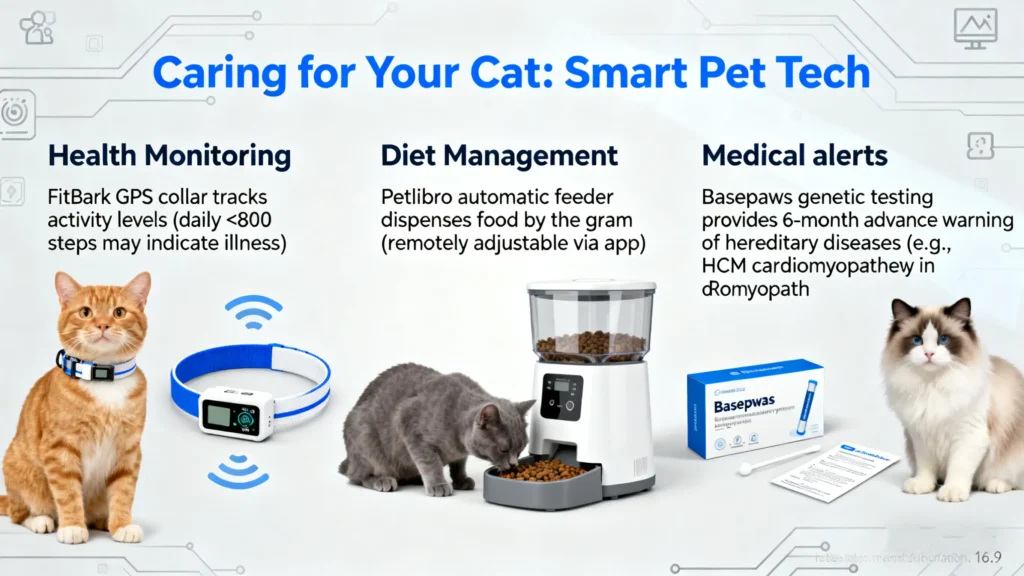
The pet tech market grew 18% in 2025. Recommended smart devices:Health Monitoring: FitBark GPS collar tracks activity levels (daily <800 steps may indicate illness).Diet Management: Petlibro automatic feeder dispenses food by the gram (remotely adjustable via app).Medical alerts: Basepaws genetic testing provides 6-month advance warning of hereditary diseases (e.g., HCM cardiomyopathy in Ragdoll cats).
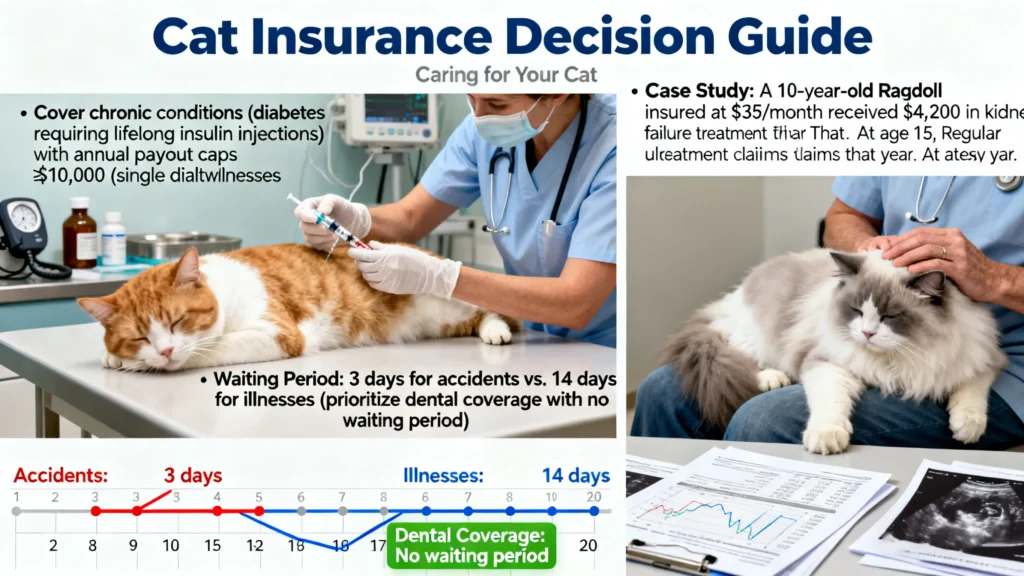
Insurance decision guide:Cover chronic conditions (diabetes requiring lifelong insulin injections) with annual payout caps ≥$10,000 (single dialysis session for kidney failure costs $3,200).Waiting Period: 3 days for accidents vs. 14 days for illnesses (prioritize dental coverage with no waiting period).Case Study: A 10-year-old Ragdoll insured at $35/month received $4,200 in kidney failure treatment claims that year. At age 15, regular ultrasounds detected tumors 3 months earlier than X-rays.
Full Summary: Caring for your cat extends beyond food and shelter—it means deciphering the emotional language behind every purr and tail flick. From precise calorie management to creating safe exploration spaces, from genetic testing for disease prevention to using pheromones for anxiety relief, scientific care fundamentally builds a symbiotic relationship rooted in respect. Master these methods, and you’ll gain a furry companion who will warm your home for a lifetime.